Buying
Buying Vintage Perfume: What to Check Before You Pay
2026-09-23 · 6 min read
Buying Vintage Perfume: What to Check Before You Pay
Vintage fragrance buying rewards preparation. The bottles are often irreplaceable, the sellers are frequently private individuals, and the information available before purchase is limited to whatever the listing and the seller are willing to disclose.
This guide covers the checks that reduce avoidable losses. It assumes you are buying from a private seller at distance, which is the highest-risk arrangement.
First, define what you are buying
"Vintage" has no fixed definition. Collectors use it in at least three different senses:
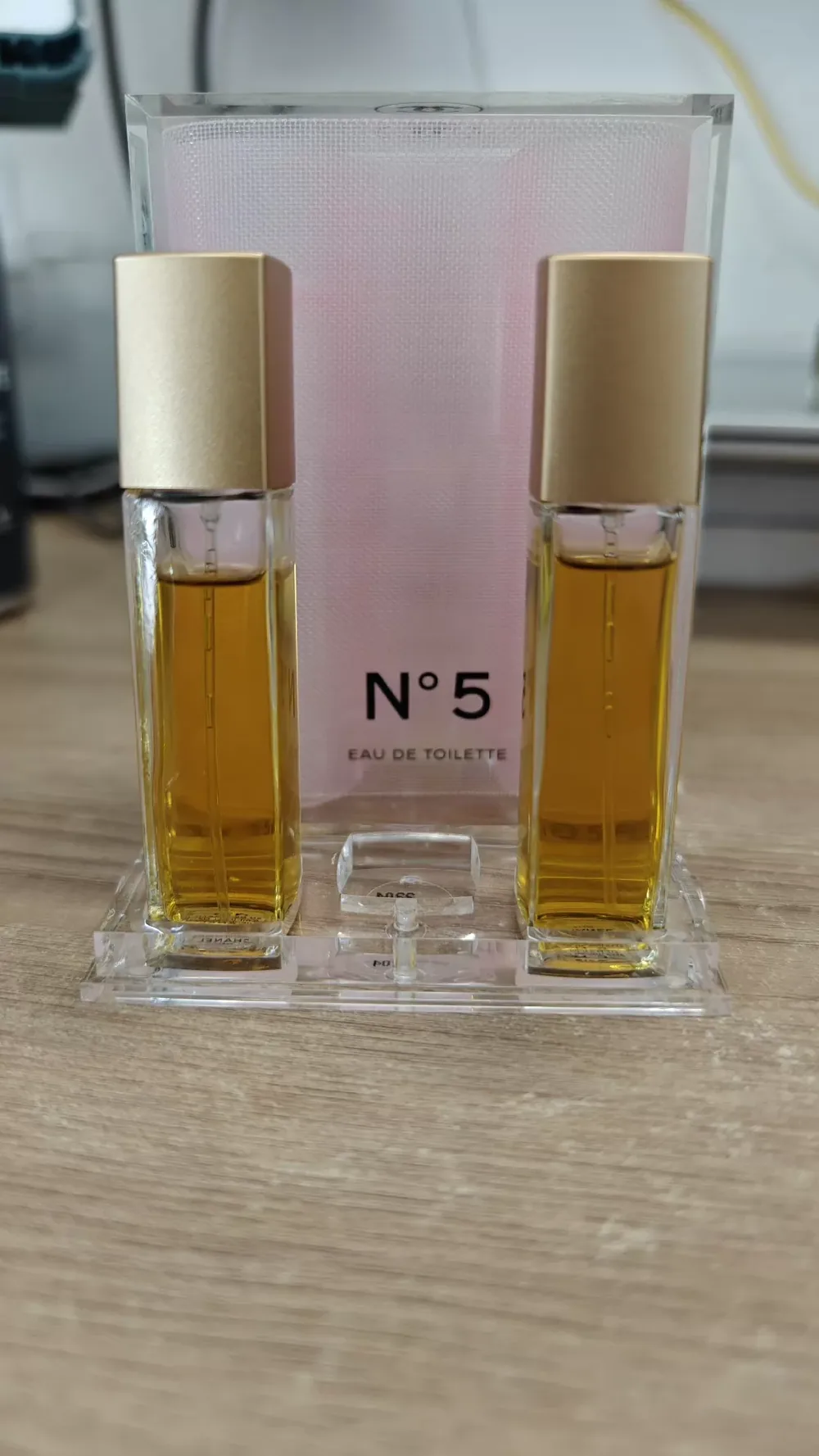
- By era: bottles produced before a given date, commonly before the 1990s.
- By formulation: bottles filled before a specific regulatory or sourcing change altered the material.
- By packaging: older bottle styles, stoppers, splash formats or box designs.
These do not coincide. A 1988 bottle in a redesigned box is vintage by date and not by packaging. Decide which sense matters to you before you bid, because it determines which evidence is decisive.
Check 1: fill level and evaporation
Fill level is the single most informative photograph after the batch code.
- A bottle described as new and sealed but sitting at 90 per cent should have an explanation: a leaking stopper, a damaged seal, or a prior owner who opened it.
- Evaporation is normal in splash bottles over decades. It is not normal in a spray bottle that has never been opened.
- Ask for the bottle photographed from the side against a plain background so the fill line is visible. A top-down shot hides everything.
- Where the base is clear glass, ask for a backlit shot.
- For very old bottles, ask whether the bottle has been weighed on two occasions; a seller who kept a record is a seller who understands what they are selling.
Check 2: the batch code and the packaging
Photograph the base and decode the code against the brand's documented format. Then check the decode against the packaging generation. For a bottle described as pre-1990, a code that decodes to the 2000s is a red flag that needs resolving before payment.
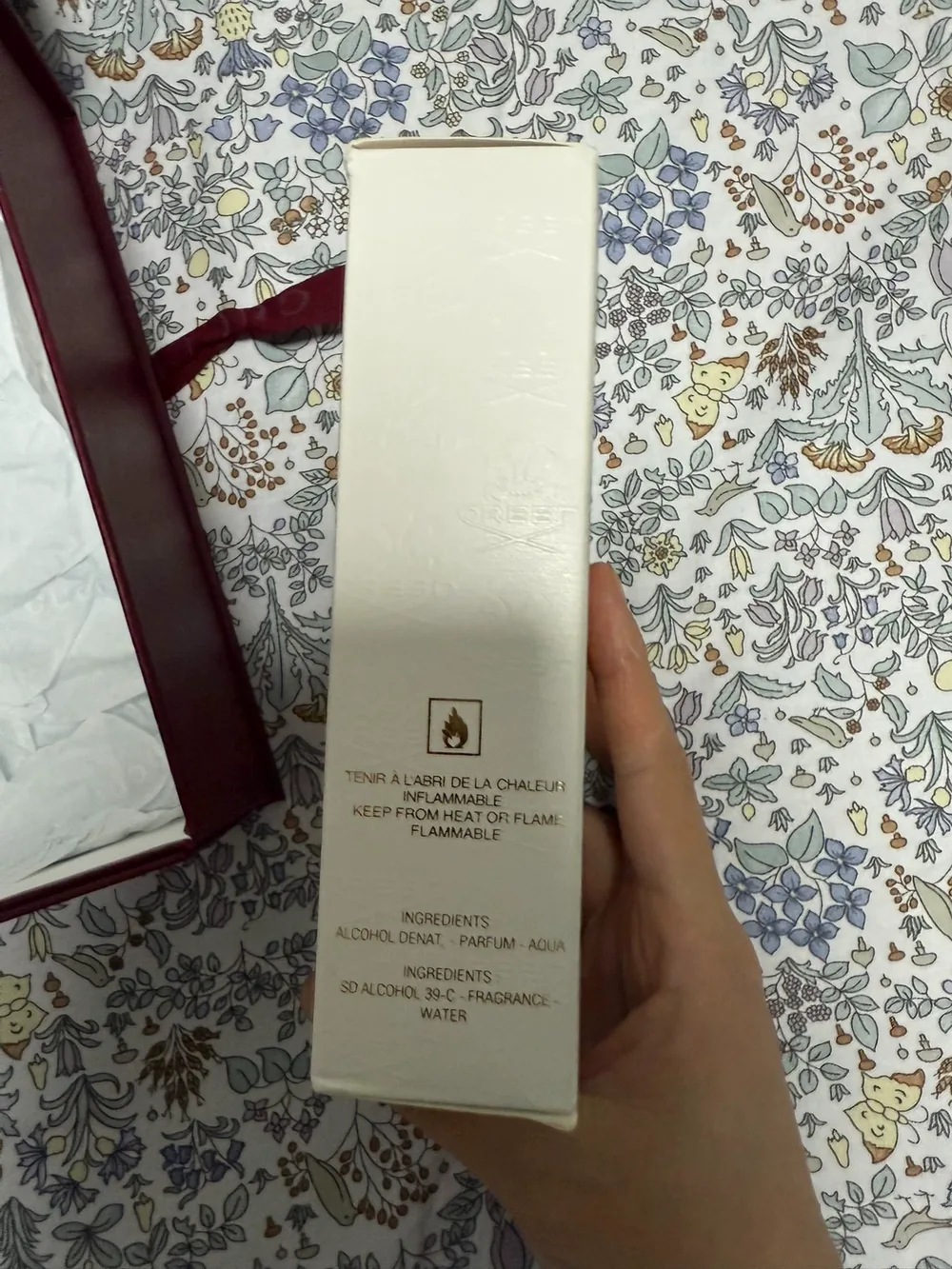
Note that a code can be absent, illegible or unhelpful on very old stock, where the format may predate current practice or where the code is inside the box only. An absent code is not proof of a problem; a code that contradicts the description is.
Check 3: the seal and the stopper
- Spray bottles: the crimp collar should sit flush and even, with no evidence of having been re-crimped. A replaced collar usually shows as a mismatch in finish or gasket condition.
- Splash bottles: the ground-glass stopper should seat with a firm, even fit. Stoppers were individually fitted, and a mismatched stopper from another bottle of the same release will often sit at a slight angle.
- Wax or foil seals on the neck indicate an unopened bottle but degrade with age. A cracked seal can still mean the contents are intact.
- Threads and necks should be free of crusted residue. Heavy residue suggests long-term leakage.
Check 4: the juice itself
- Colour: a documented colour for the release is the benchmark. Many materials darken with age; some, like those built on certain synthetic musks, stay pale for decades. Colour alone decides little.
- Sediment: some natural absolutes precipitate over decades. Ask whether sediment is loose and whether it redissolves on gentle warming — but do not warm a bottle you do not own.
- Clarity: a haze that appeared after cold weather may clear at room temperature.
Check 5: reformulation context
If you are buying vintage specifically because you want the original formula, the relevant background is regulatory rather than commercial. The IFRA Standards restrict or prohibit fragrance materials on safety grounds, and successive amendments have forced formula changes across the industry. Amendment 43 introduced purity limits on atranol and chloroatranol in oakmoss extracts, restricting how natural oakmoss could be used; amendment 47 restricted HICC; the 49th Amendment set out a revised framework whose full compliance date was 10 May 2022 for all compositions on the market, including existing ones.
The consequences for collectors are well documented in trade and perfume-press coverage. Nez's case study on oakmoss describes how successive purity criteria changed the material available to perfumers, and trade reporting on the 49th Amendment records the implementation timeline that obliged houses to reformulate existing products.
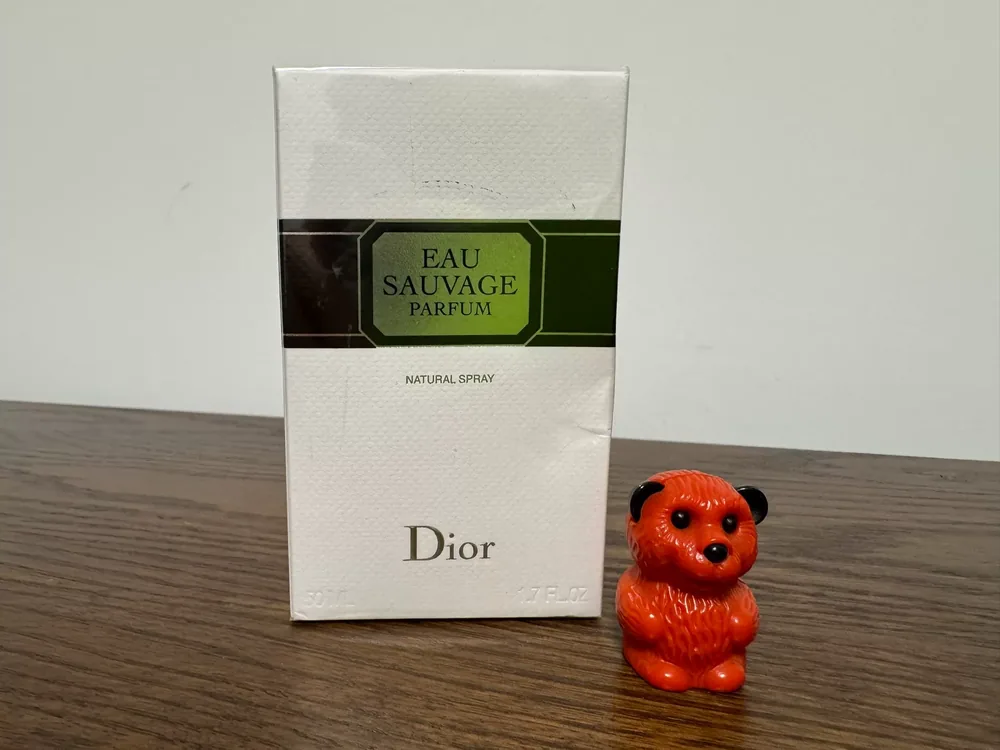
Two cautions follow. First, a regulatory change does not tell you which release was affected, when the brand actually made the change, or how the result smells — those require bottle-level comparison. Second, not every difference between an old bottle and a new one is reformulation. Batch variation, maceration, storage history and simple aging all move the perceived result.
Check 6: shipping and legal constraints
Alcohol-based fragrance is classified as a dangerous good for air transport. Many carriers and postal operators restrict or refuse it, and some insurers exclude it. Confirm how the seller will ship before you pay, and clarify who carries the risk of leakage in transit.
Check what your national customs regime allows for personal imports. Duty and restricted-goods rules apply regardless of whether the bottle is a collector's item.
Check 7: price
Price vintage against recorded transactions where that data exists, not against a single seller's asking price. Where a market dataset states the sample size, the period and the source — as ours does on the methodology page — you can see whether a price reflects a market or an opinion.
Two structural points matter more than any single comparable:
- Condition dominates. A full, boxed, sealed bottle and a half-full one from the same batch are different assets.
- Rarity is not scarcity of listings. A bottle that appears rarely because nobody sells it is not the same as a bottle that appears rarely because few were made.
A pre-purchase checklist
- Front, side, base, cap, stopper, box photographs, all in focus.
- Batch code transcribed from the photograph and decoded, with the source of the format noted.
- Seller's account of provenance, storage and previous ownership, in writing.
- Fill level stated by the seller and visible in a photograph.
- Confirm shipping method, packaging, insurance and who bears transit risk.
- Agree the return position before payment.
- Pay through a channel that leaves a record and offers dispute resolution.
If a seller will not answer these, treat the absence of information as information.
Sources
- IFRA Standards overview: https://ifrafragrance.org/standards/IFRA-Standards
- Nez, "Oakmoss: an exemplary case of IFRA's role" — successive purity limits and their effect on the material: https://mag.bynez.com/en/perfume/oakmoss-an-exemplary-case-of-ifras-role/
- CosmeticsOBS, "Reminder: Full implementation of IFRA 49" — 10 May 2022 compliance date: https://cosmeticobs.com/en/articles/ifra-65/reminder-full-implementation-of-ifra-49-6519
- SGS, IFRA 49th Amendment extended implementation timeline: https://www.sgs.com/en/news/2021/02/safeguards-01321-ifra-49th-amendment-extended-implementation-timeline
- Regulation (EC) No 1223/2009 on cosmetic products: https://eur-lex.europa.eu/eli/reg/2009/1223/oj
Related reading
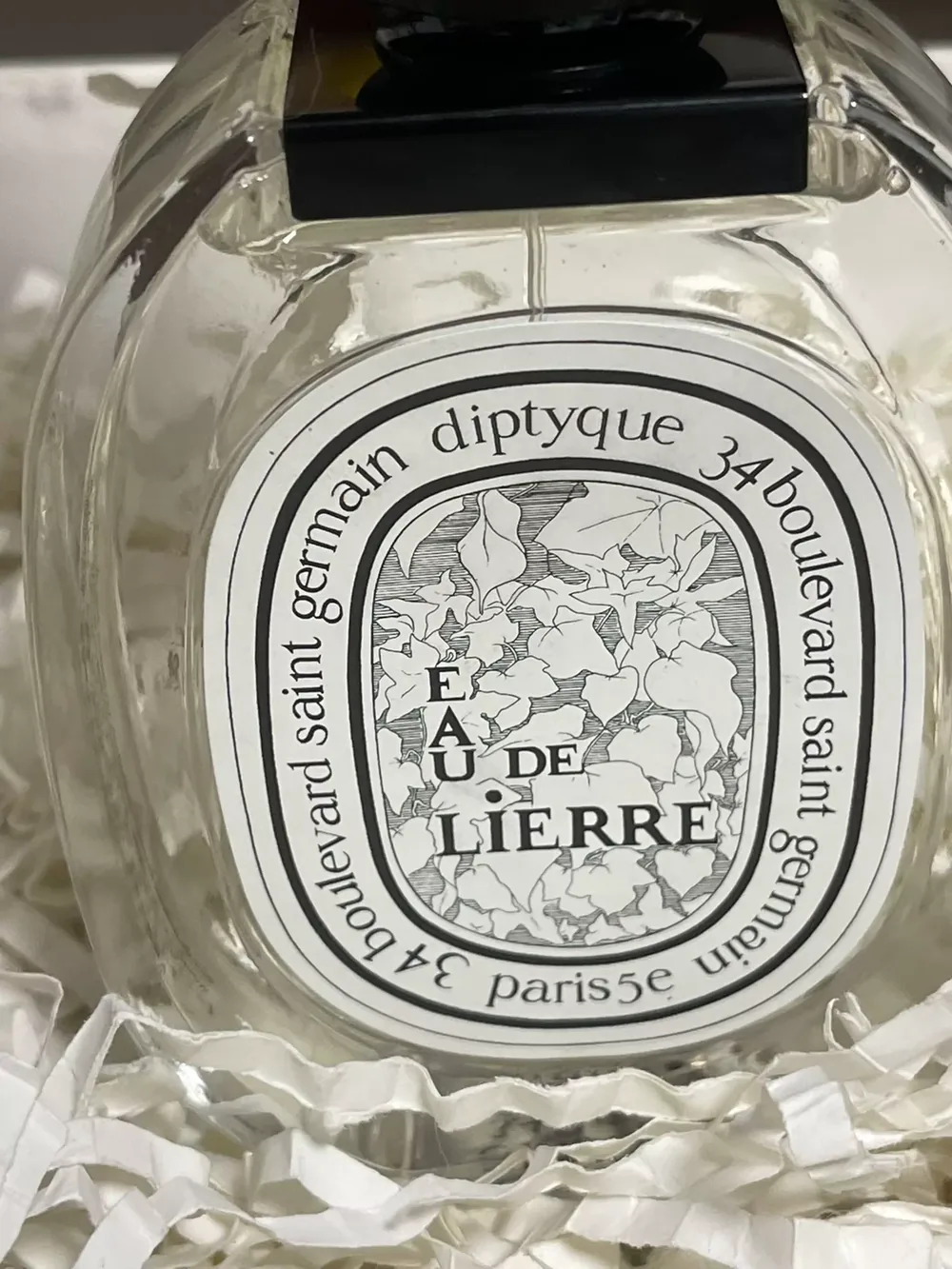
Every photograph above is of a bottle we have actually handled. Nothing here is a supplier or brand image.
Written by Perfume Codex Editorial. Compiled from manufacturer documentation, publicly published batch-code references, and our own recorded transaction data (26,000+ fragrance listings, 4,600+ recorded sales) in Hong Kong. Reformulation and discontinuation claims are cited to sources.