Guide
Reformulation: Why Your Favourite Scent Changed
2026-09-23 · 6 min read
Reformulation: Why Your Favourite Scent Changed
Few topics generate more confident statements in fragrance collecting than reformulation, and few are as poorly evidenced. This article separates the causes that are documented from the claims that require proof.
What reformulation means
A reformulation is a change to the fragrance compound supplied to the bottler — the concentrated oil blend — or to the finished formula. It is a deliberate change made at the manufacturer, not a difference observed between two bottles.
That distinction matters, because most of the differences collectors notice are not reformulations.
Documented causes
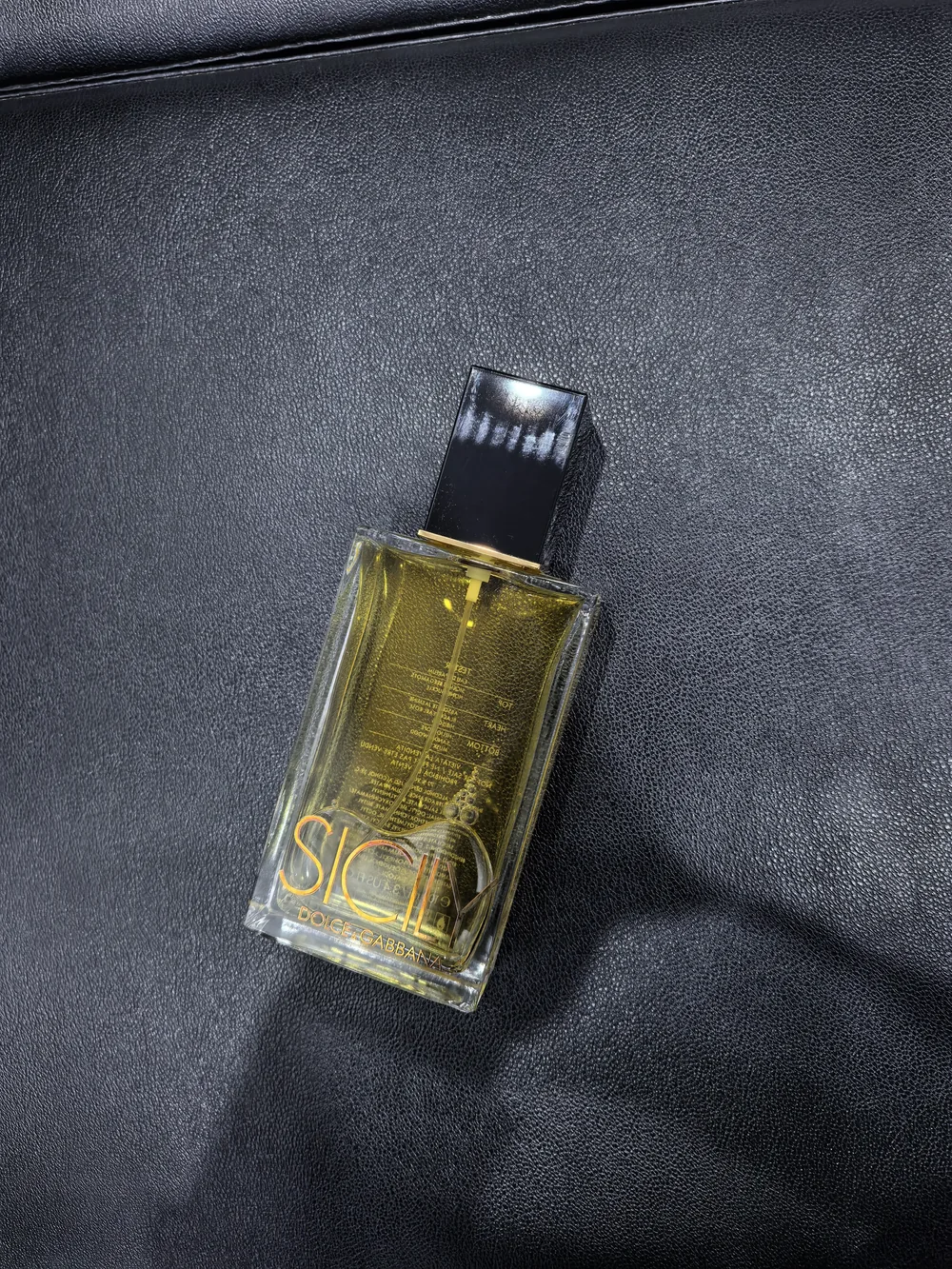
1. Ingredient regulation
The IFRA Standards restrict or prohibit fragrance materials on safety grounds, and they apply to all fragrance compositions irrespective of whether the finished product is a cosmetic, a household product or a fine fragrance. Successive amendments have forced changes across the industry:
- Amendment 43 set purity limits on atranol and chloroatranol in oakmoss extracts. Natural oakmoss was not banned outright; the permitted levels of the two sensitising constituents were restricted so tightly that suppliers had to develop treated versions of the material.
- Amendment 47 restricted HICC and set further limits around atranol and chloroatranol.
- The 49th Amendment introduced revised use categories and changes to how exposure is calculated. Its full compliance date — 10 May 2022, extended by three months from the original date during the pandemic — required all fragrance compositions on the market, including those already on sale, to comply.
Separately, Annexes to Regulation (EC) No 1223/2009 restrict or prohibit substances in cosmetic products in the EU, and those lists are amended over time.
The practical consequence is that regulatory reformulation is compulsory and industry-wide. Perfume-press coverage of oakmoss, such as Nez's case study, documents how the change in available material altered the accords available to perfumers.
2. Raw material availability and cost
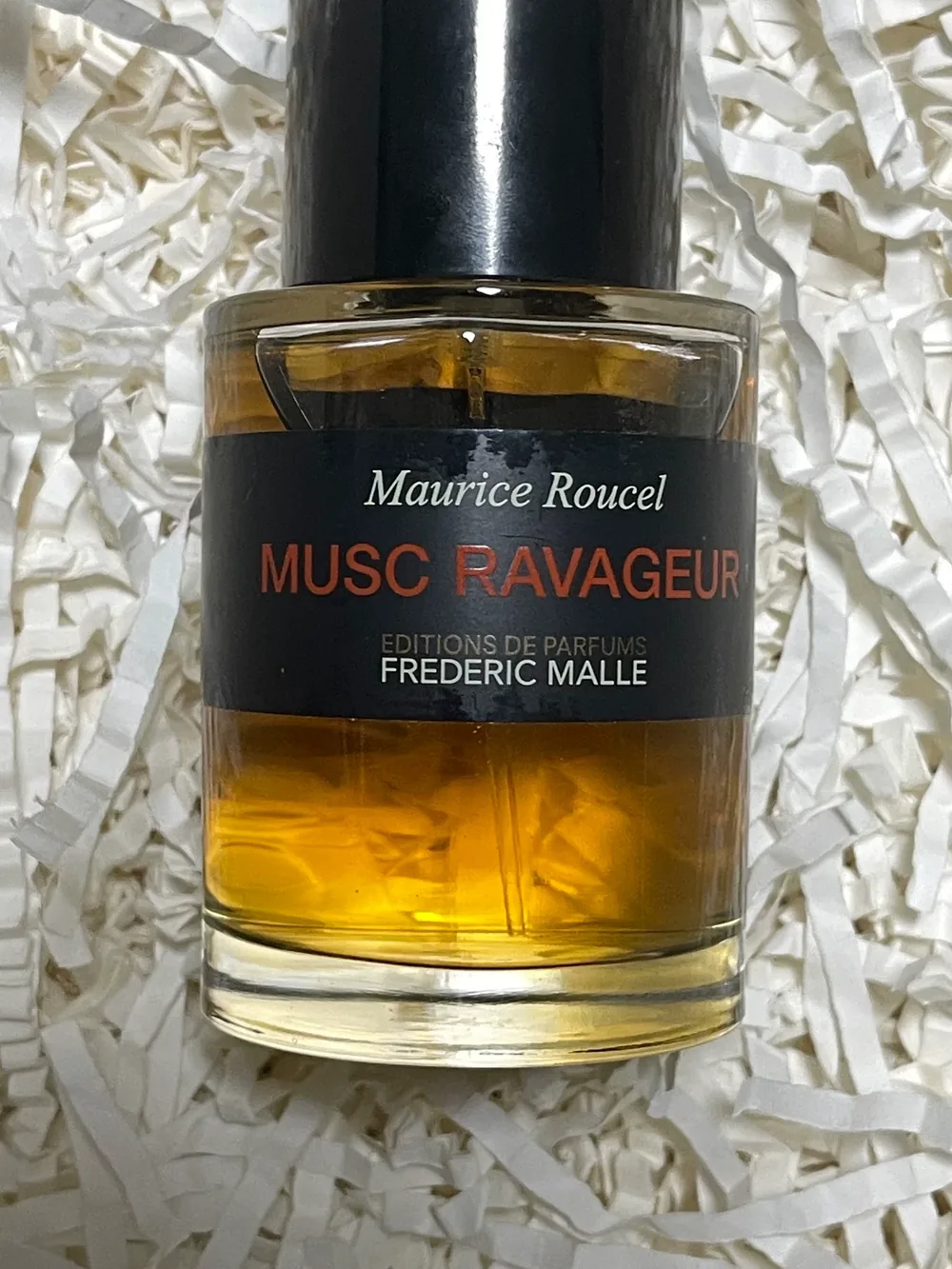
Natural materials vary by harvest and are subject to supply disruption, price volatility, and in some cases restrictions on sourcing. When a material becomes unavailable or uneconomic, the perfumer substitutes or reconstructs it. This is normal practice and is not always announced.
3. Supplier consolidation and manufacturing harmonisation
Where a house moves filling between sites, changes its fragrance supplier, or aligns supply across markets, the compound can change even when nobody intends the scent to change.
4. Portfolio and labelling changes
Concentration changes, new packaging, the introduction of a flanker name, and reformulations made to suit a new market restriction can all produce a bottle that smells different from an earlier one of nominally the same product.
Why most perceived changes are not reformulations
- Batch-to-batch variation. Raw material lots differ, maceration times differ, and filling tolerances differ. Comparisons of bottles across batches of the same release, such as the widely read Aventus batch write-ups, document differences in fruitiness, smokiness and perceived strength while the formula stays constant.
- Aging in the bottle. Top notes fade, aldehydes and citrus flatten, and naturals develop. A 2012 bottle opened in 2026 does not smell as it did in 2012.
- Storage history. Heat exposure can alter a bottle in a way that mimics a formula change. A bottle that lived in a car and one that lived in a cabinet are different objects.
- Maceration and resting. A freshly produced bottle often needs weeks or months to settle; comparing a new bottle to an old one immediately after opening is an unreliable test.
- Perception. Skin chemistry, humidity, ambient temperature, application volume and prior exposure change how a scent reads. Two bottles smelled on different days are not a controlled comparison.
- Concentration confusion. An EDT and an EDP of the same name are different products. So are splash and spray formats of the same concentration, and often the same product in different bottle sizes.
How to build a case for a reformulation claim
If you want to assert that a specific release was reformulated, the evidence that holds up is documentary, not olfactory:
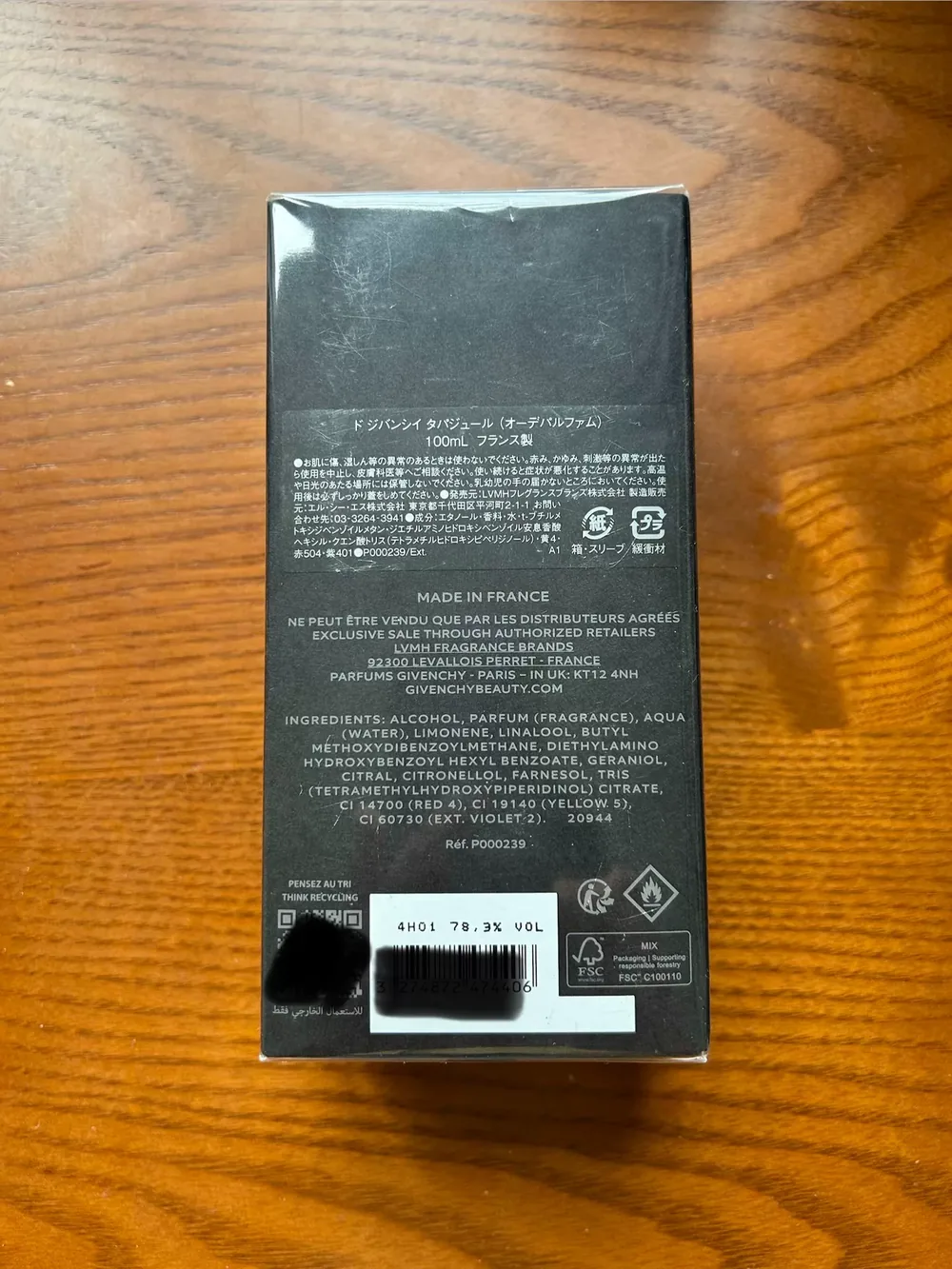
- Ingredient list comparisons. Photograph the allergen declarations on the box or label of bottles from different years. Added or removed entries — for example a change in how oakmoss is declared — are documentary evidence of a formula change.
- Batch codes and packaging generations. Establish the dates of the bottles you are comparing. A comparison between an undated bottle and another undated bottle proves nothing.
- Regulatory filings and IFRA documentation. Compliance certificates and trade notices show when a restriction became binding, which bounds when a compliant formula had to change.
- Brand statements. Some houses publish or confirm formula changes; most do not. An absence of statement is not evidence of no change.
- Multiple samples. Two bottles are an anecdote. A set of dated bottles from a consistent source with a stated method is a comparison.
- Blind testing. Where the claim is about perception, the comparison should be blind and repeated. Comparative batch reviews published by collectors, such as Raiders of the Lost Scent's ten-bottle Fahrenheit review, are useful precisely because they state the method and the bottles used.
Do not present a nose-only conclusion as a fact about a formula. It is a hypothesis.
What reformulation means for buying
- A specific batch or era matters to buyers who are seeking a particular formula. Where you are selling, document the batch code and the packaging generation so buyers can assess what they are getting.
- Where a market price is quoted for an era, check the underlying sample size and period. Small-sample vintage pricing is noise.
- Do not assume an earlier bottle is a better bottle. Formula changes run in both directions, and condition and storage history often matter more than the era.
- Do not assume a later bottle is compliant with what you expect. Regulation has changed repeatedly; a bottle from 2016 and a bottle from 2023 exist under different regimes.
Sources
- IFRA Standards: https://ifrafragrance.org/standards/IFRA-Standards
- Nez, "Oakmoss: an exemplary case of IFRA's role": https://mag.bynez.com/en/perfume/oakmoss-an-exemplary-case-of-ifras-role/
- CosmeticsOBS, "Reminder: Full implementation of IFRA 49" (10 May 2022): https://cosmeticobs.com/en/articles/ifra-65/reminder-full-implementation-of-ifra-49-6519
- SGS, IFRA 49th Amendment extended implementation timeline: https://www.sgs.com/en/news/2021/02/safeguards-01321-ifra-49th-amendment-extended-implementation-timeline
- Perfumer & Flavorist, notification of the IFRA 49th Amendment: https://www.perfumerflavorist.com/fragrance/news/21873379/ifra-international-fragrance-association-notification-of-the-ifra-49th-amendment
- Perfume Cultures, "Creed Aventus Batches Explained" — batch variation without a formula change: https://perfumecultures.com/creed-aventus-batches-explained/
- Raiders of the Lost Scent, "Fahrenheit: a 10-batches review" (2014) — a stated-method collector comparison: https://www.raidersofthelostscent.blog/2014/08/fahrenheit-10-batches-review.html
- Regulation (EC) No 1223/2009 on cosmetic products (Annexes, restrictions): https://eur-lex.europa.eu/eli/reg/2009/1223/oj
Related reading
Written by Perfume Codex Editorial. Compiled from manufacturer documentation, publicly published batch-code references, and our own recorded transaction data (26,000+ fragrance listings, 4,600+ recorded sales) in Hong Kong. Reformulation and discontinuation claims are cited to sources.