Guide
How to Photograph a Bottle for Authentication
2026-09-23 · 6 min read
How to Photograph a Bottle for Authentication
Photographs are the working currency of every fragrance transaction conducted at distance. A seller who documents a bottle properly removes most of the questions a buyer will ask; a buyer who photographs an incoming bottle immediately has evidence if something is wrong.
This guide is a shot list and a technique note. It assumes a phone camera and no studio.
Why a standard shot list
Authentication questions are narrow and predictable: is the batch code present and does it match the box, is the packaging construction consistent with the brand, is the fill level what was described, and is the bottle the one in the listing. Each of those questions has a photograph that answers it. Improvised sets of photographs usually miss the one that matters.
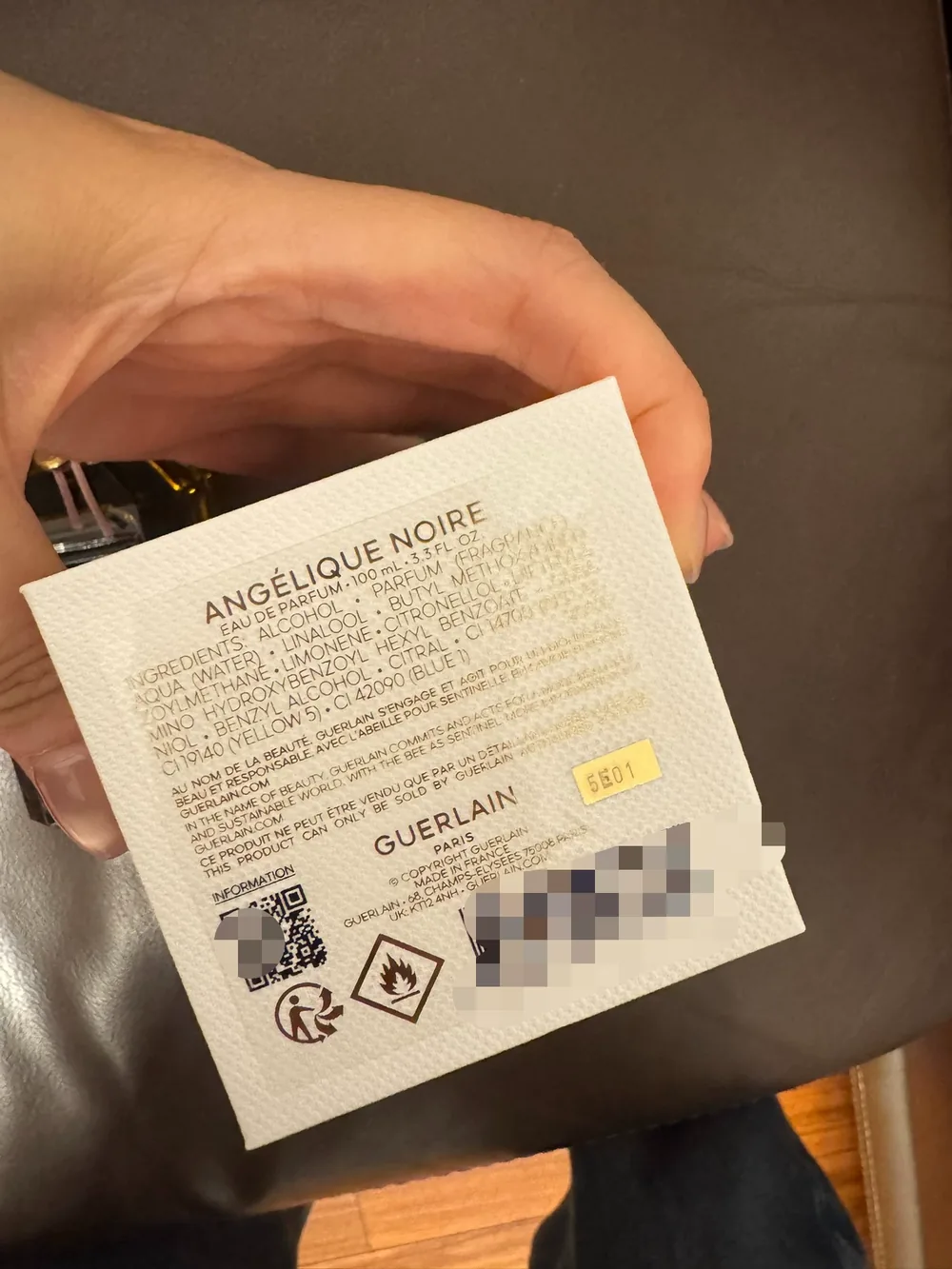
The list below reflects the documentation practice used in collector marketplaces and follows the batch code locations and code-match check described by consumer batch-code references.
The shot list
1. Front, straight on
- Whole bottle, centred, in focus, no crop of the cap or the base.
- Label square to the camera, not at an angle.
- Plain neutral background — white or light grey paper is ideal.
- Fill level visible if the glass allows it.
2. Base, with the batch code legible
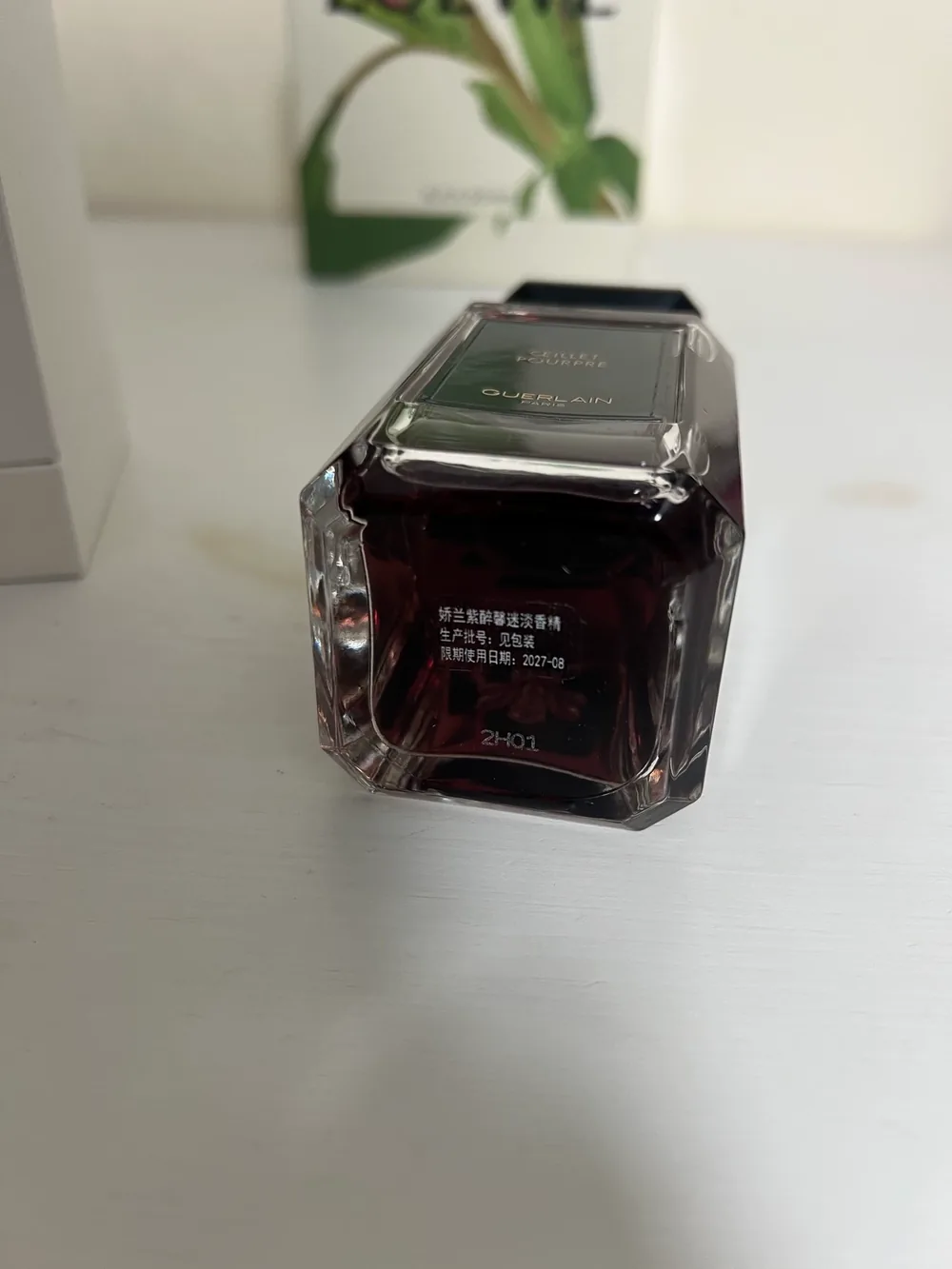
- The single most important shot. Get close enough that the code fills a meaningful part of the frame.
- Include the surrounding glass or the base edge so the code is anchored to the object.
- If the code is etched glass with low contrast, angle the light to rake across it and shoot from slightly off-axis. A code that reflects a white highlight is unreadable.
- Photograph the sticker separately if the base has one, including any printed text around it.
3. Cap and atomiser detail
- Cap removed, shot separately, to show the interior, any magnet and any branding inside the cap.
- Crimp collar in close-up, taken around the neck if possible.
- Atomiser button and the collar where the tube meets the pump.
4. Label and ingredient panel
- Front label wordmark close-up.
- Back label or box back, showing the ingredient list, allergen declaration, volume, batch number, period-after-opening symbol and the responsible-person address.
- Photograph the whole panel rather than a crop so the layout is assessable.
5. Box
- Box front, box back and box base.
- Base with the batch code visible, for the bottle/box code match.
- Spine and side panels showing barcodes, and any security or tax stamps.
6. Side profile with fill level
- Bottle on a level surface, camera at the height of the fill line, plain contrasting background behind.
- For clear glass, backlight with a sheet of white paper and a lamp to make the level obvious.
7. Fill-level and condition evidence
- Neck and threads, to show whether residue or leakage is present.
- Any areas of wear, discolouration or damage.
8. Provenance note
- A handwritten slip with the seller's username, the date and the bottle's batch code, placed in frame with the bottle.
- This single addition ties the photograph to a person and a moment. It is the cheapest anti-fraud measure available and it is standard practice in collector marketplaces.
Technique
- Light: indirect daylight is best. Shoot near a window with the light coming from behind you, never with the window in the frame. Do not use the phone flash — it creates a hard highlight on glass that hides engraving and label texture.
- Background: unbroken white or light grey. A sheet of A3 paper with the bottle standing on the bottom edge and the top edge curved behind produces a seamless, distraction-free backdrop.
- Camera height: level with the subject. Shooting down at 45 degrees distorts a bottle and hides the base.
- Focus: tap to focus on the batch code or the label wordmark, not the middle of the bottle. Check the result on screen at full zoom before you move on. Out-of-focus batch codes are the most common reason a listing fails scrutiny.
- Reflections: move yourself and the camera until your hands and phone are out of the reflection on the glass. A grey card propped behind the camera kills most reflections.
- No filters, no heavy compression. Shoot in the phone's standard mode, in good light, and transfer the original file. Aggressive sharpening and noise reduction destroy the fine detail in engraving that authentication depends on.
- Keep the originals. Do not delete the uncropped frames. Metadata — timestamp and, where enabled, location — is part of the record.
Common mistakes
- Cropping the last digit off the batch code.
- Photographing the bottle against a busy background that conceals the fill line.
- Shooting glass with the flash, producing a hotspot exactly where the code is.
- Photographing the box but not the box base, so the bottle/box code match cannot be checked.
- Presenting a decant as a bottle by photographing only the decant vial.
- Using a photo from another listing. Reverse image search takes seconds.
What photographs can and cannot establish
Photographs establish the appearance of the object, the presence and content of the code, and the fill level. They do not establish that the contents are authentic. A batch code decoder can return a plausible date for a counterfeit, and as consumer batch-code references note, a valid code is weak evidence on its own — authenticity is established by the whole object, never by one stamp.
What photographs do establish is a record. If the bottle you receive differs from the bottle photographed, you have a documented basis for a dispute. That is the practical value of a complete set.
A note for sellers
A complete shot list in a listing reduces back-and-forth and reduces returns. Include the batch code transcription in the description text as well as in the photograph, state the fill level in words, and note any wear you can see. Buyers who are looking for reasons to be suspicious will find them in omissions.
Sources
- Batch-Code.com — where batch codes are located on bottles and boxes, and the bottle/box code match check: https://www.batch-code.com/
- Scento, Perfume Batch Code Checker — a batch code cannot prove a bottle is genuine: https://www.scento.com/perfume-batch-code
- CheckFresh — brand-by-brand batch code locations: https://www.checkfresh.com/
- Regulation (EC) No 1223/2009 on cosmetic products — batch number and period-after-opening labelling on the pack: https://eur-lex.europa.eu/eli/reg/2009/1223/oj
Related reading
- How to spot a counterfeit perfume
- Reading perfume batch codes
- Creed Aventus, a release with a large second-hand market and active batch discussion
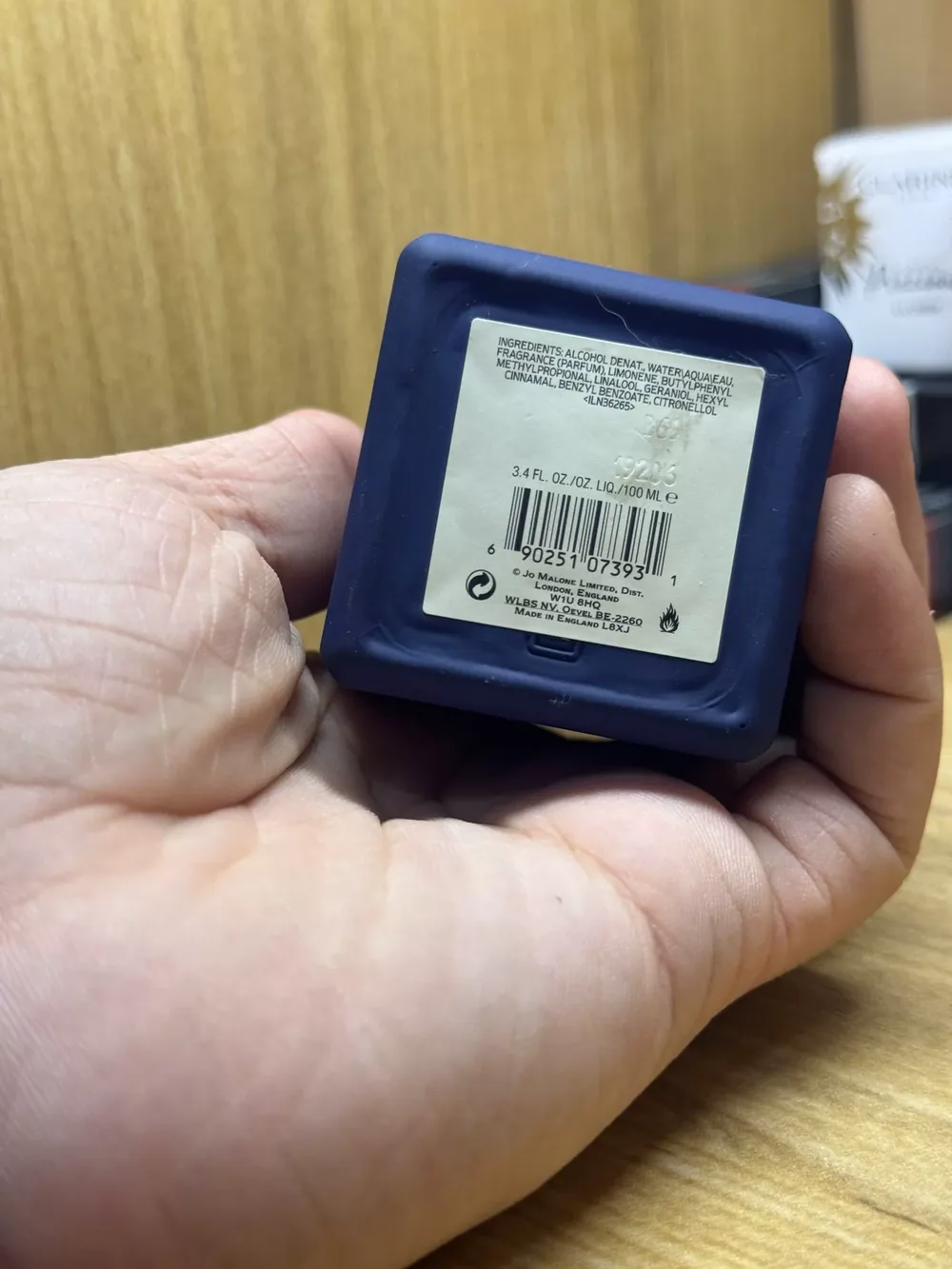
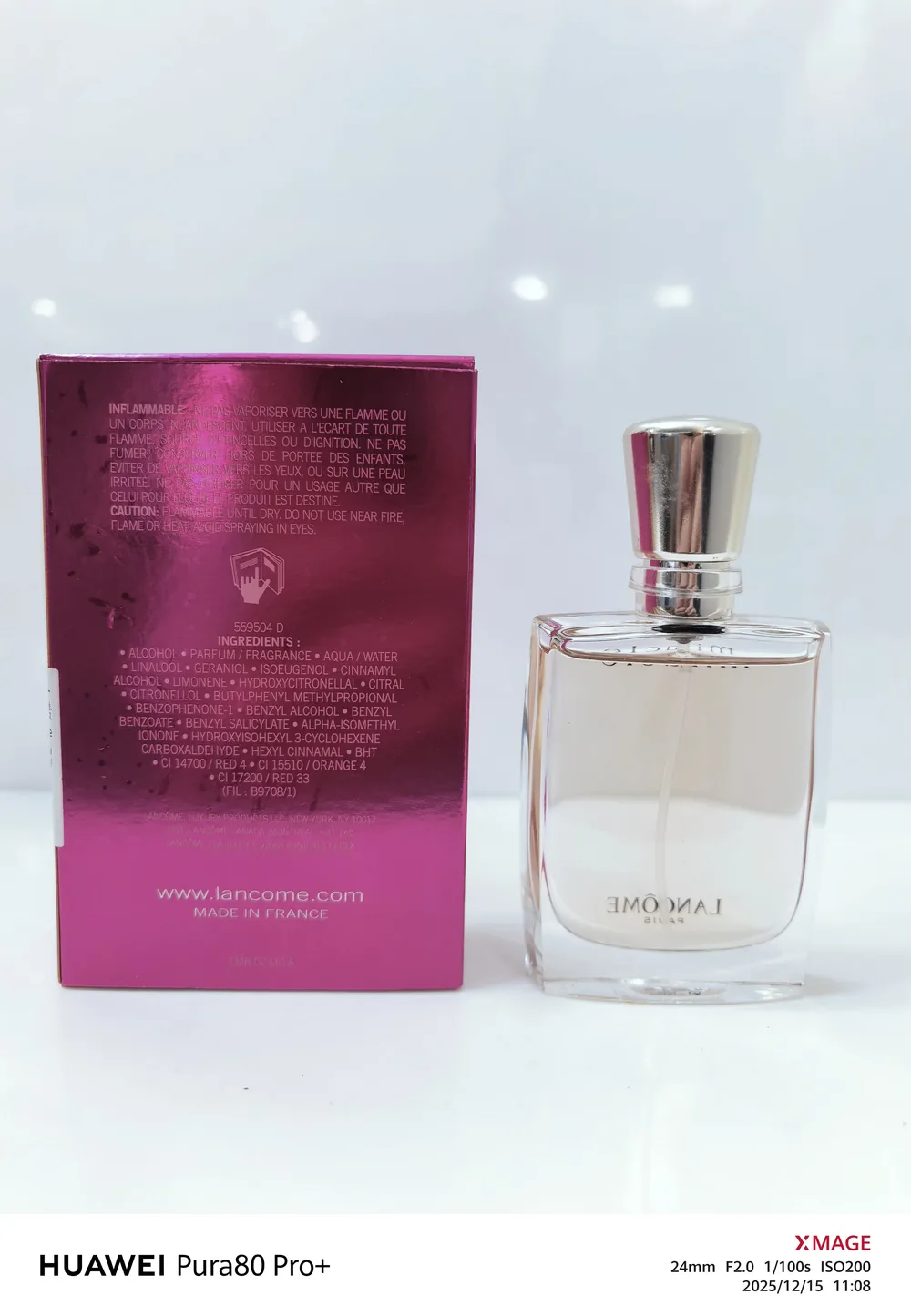
Every photograph above is of a bottle we have actually handled. Nothing here is a supplier or brand image.
Written by Perfume Codex Editorial. Compiled from manufacturer documentation, publicly published batch-code references, and our own recorded transaction data (26,000+ fragrance listings, 4,600+ recorded sales) in Hong Kong. Reformulation and discontinuation claims are cited to sources.