Batch codes
Reading Perfume Batch Codes: A Complete Guide
2026-09-23 · 6 min read
Reading Perfume Batch Codes: A Complete Guide
A batch code is a manufacturer's internal production reference. It is printed or stamped on the product so that a specific production run can be traced if a recall or quality issue occurs. For collectors, it is also the most useful dating tool available on a sealed bottle — provided its limits are understood.
What the code is for, legally
Cosmetics placed on the EU market must carry a batch number for identification (Regulation (EC) No 1223/2009, Article 19). The requirement is about traceability, not about telling consumers the production date. Nothing in the regulation obliges a brand to publish its decoding scheme.
That single fact explains most of the confusion around batch codes. The code exists; the key does not.
Where to find the code
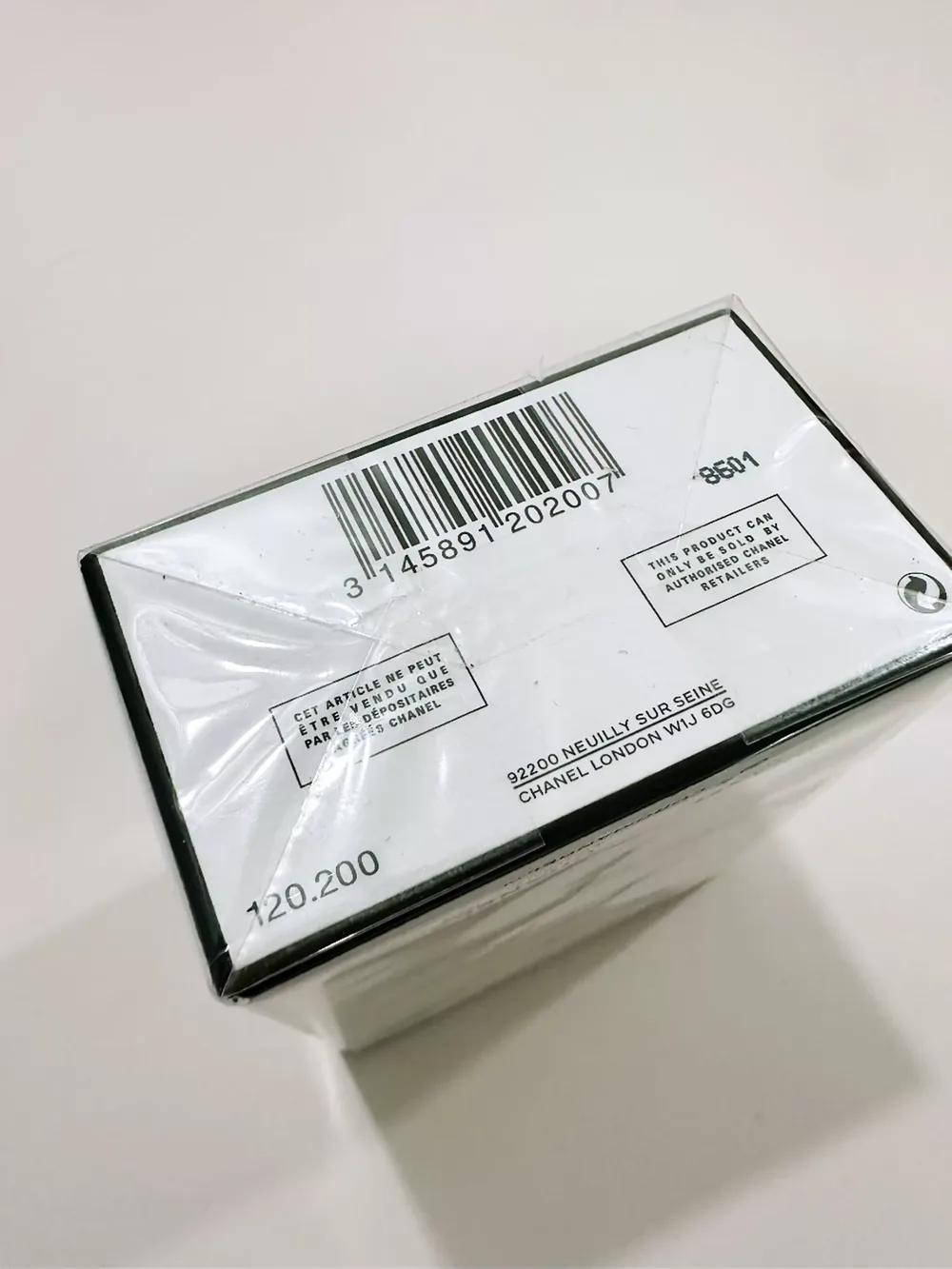
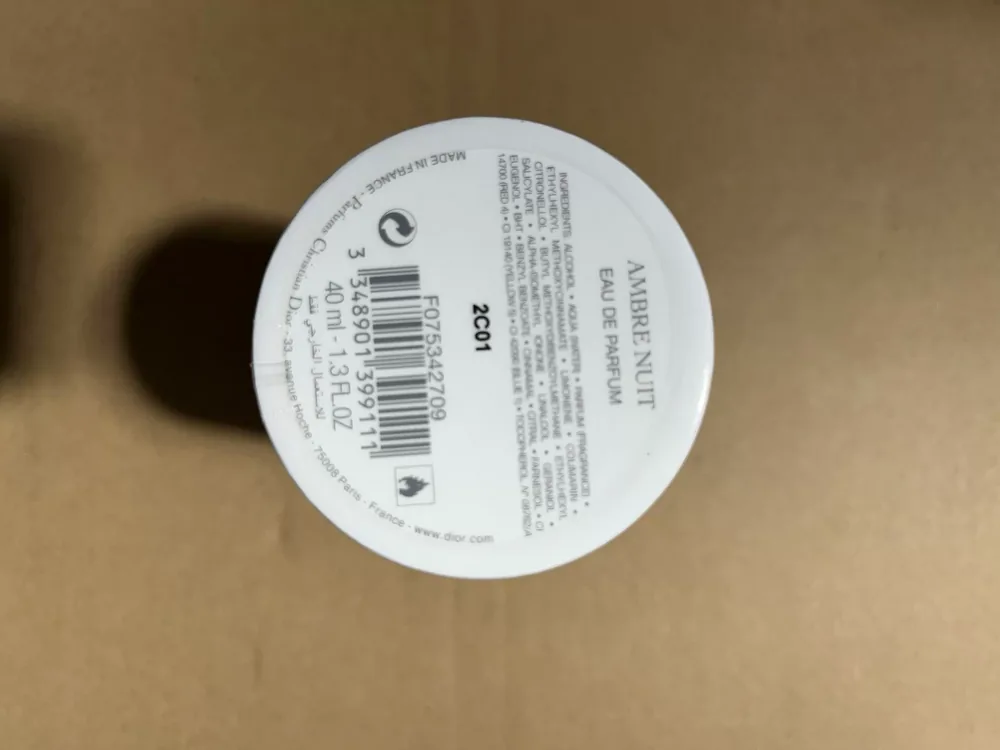
On fragrance, the code is normally found in one or more of these places:
- Bottle base — etched into the glass, printed on the glass, or on a paper or foil sticker applied to the base.
- Outer carton — stamped or dot-matrix printed, usually on the bottom flap or the side panel, occasionally on the cellophane or a security label.
- Crimp collar — the metal band between the glass neck and the atomiser; some houses print here.
- Inside the box — a code printed on an inner flap, occasionally matching the bottle.
Where the brand prints in more than one place, the codes should match. A mismatch between bottle and box is one of the more reliable indicators that packaging and bottle were not paired at the factory.
Formats vary by brand and by era
There is no universal scheme. Common patterns include:
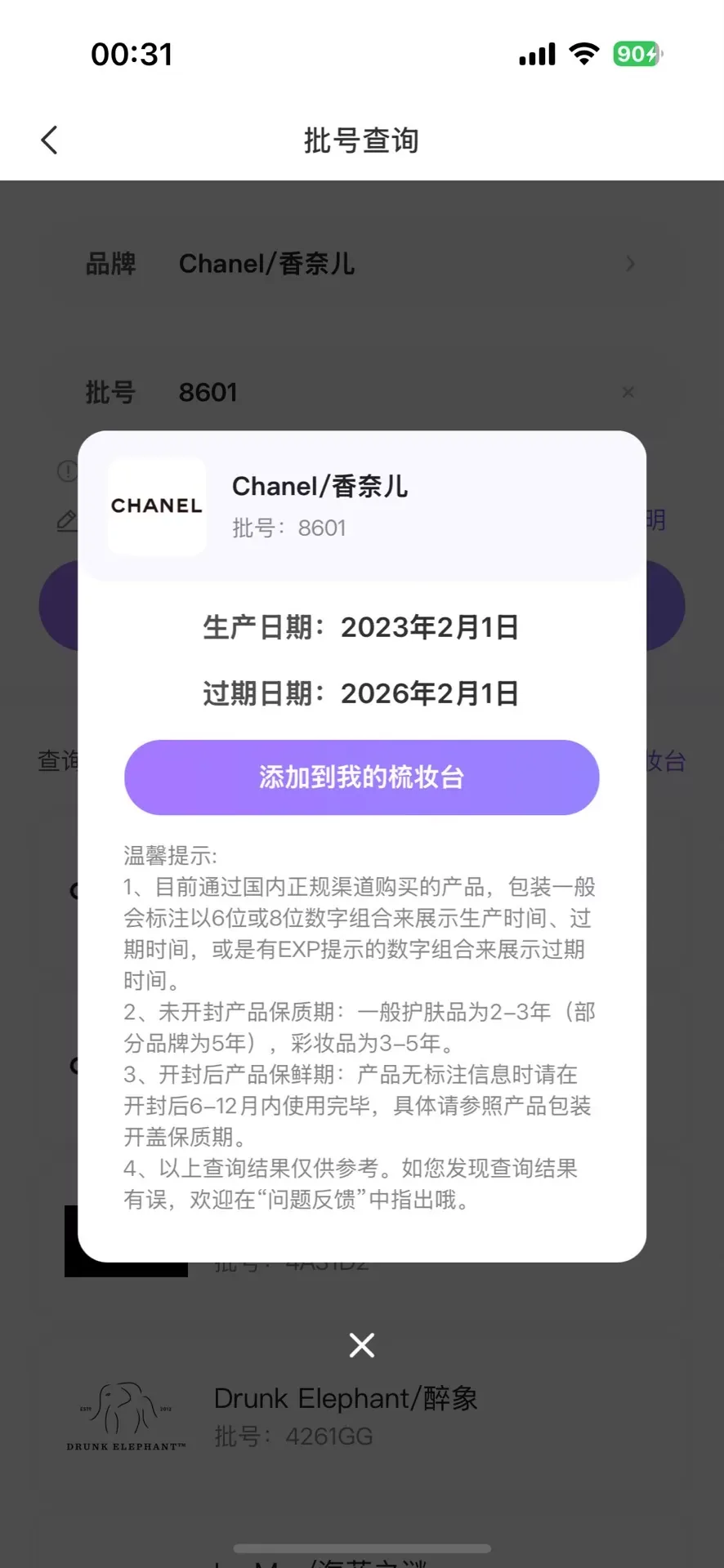
- Four characters combining digits and letters, where a digit pair encodes the year and a letter encodes the month or the factory.
- Six-digit year-month-day strings, mostly on older or mass-market products.
- A letter for the month plus two digits for the year.
- Purely internal alphanumeric strings with no recoverable date at all, which do occur.
The same brand may also have used different formats in different decades or at different filling sites. Brand-specific instructions are published by consumer tools such as CheckFresh and Batch-Code.com, and those pages are the practical starting point because they document the pattern each house actually uses.
Do not guess from a sample of one. If you decode a code using a rule taken from a different brand, you will produce a confident wrong answer.
A workable procedure
- Photograph the code in place, in focus, with the surrounding glass or box visible. A macro shot of the code alone loses the context needed to confirm which bottle it came from.
- Transcribe exactly. Batch codes are case-sensitive.
4A01and4a01are not the same string, and swapping0forOor1forIproduces a valid-looking but incorrect query. - Look up the brand's documented format, then apply it. If the brand is not documented, record the code and the known purchase or production context instead of guessing.
- Check every printing of the code on the same unit and note whether they correspond.
- Record the result with the bottle. A short line in a collection log — code, decoded window, source of the date it arrived, purchase date — makes later comparisons possible.
- Cross-check against the packaging generation. Bottle design, cap style, label typography and ingredient-list wording all change over a product's life. If the decode suggests 2005 but the bottle carries a label revision from 2015, revisit the decode rather than the bottle.
What a batch code can tell you
- An approximate production window, which allows you to distinguish an early bottle from a recent one.
- Whether two bottles of the same release are likely from the same production period.
- Whether a bottle predates or postdates a packaging change you can date independently.
- For vintage purchases, a sanity check against the seller's stated age. A bottle described as 1980s with a code that decodes to 2019 is a problem worth resolving before payment.
What it cannot tell you
- Whether the bottle is genuine. As the Scento batch-code guide notes, a decoder returns a plausible date even on a counterfeit, because the format is public. A matching, valid code is weak evidence.
- What the juice inside smells like. Two bottles from the same batch can differ; a single bottle can change over years in storage.
- Whether the fragrance has been reformulated. Batch variation within one formula is normal. Comparing batch codes side by side is not evidence of a formula change.
- That the bottle was stored well. A 2014 code says nothing about whether the bottle spent a decade on a windowsill.
Batch variation is not reformulation
A recurring error in collector discussion is treating any difference between two bottles as evidence of reformulation. Community batch comparisons of widely discussed releases, such as the Aventus batch write-ups, reach the opposite conclusion: batches can vary in fruitiness, smokiness and perceived strength while the formula stays the same. Raw material lots, maceration time, filling tolerances and bottle age all move the perceived result.
Attributing a difference to reformulation requires more than two bottles and a nose. Ingredient-list changes, packaging revisions, brand statements or regulatory filings are the evidence that holds up.
Codes and pricing
A production window is one input into what a bottle is worth, not a price by itself. Documented batch-level prices exist only where enough transactions have been recorded to state a sample size and a period. Where that data is not available, treat any claim about a specific code's premium with caution.
Practical notes
- Keep the code with the photograph and the purchase record. When you sell, a dated photograph of the code removes most of the questions a buyer will otherwise ask.
- If a code is unreadable, say so. A partial transcription presented as complete is worse than an admission that the code could not be read.
- Our batch code decoder lists every interpretation consistent with a code and shows the reasoning, rather than asserting a single date.
Sources
- Regulation (EC) No 1223/2009 on cosmetic products, Article 19 (batch number): https://eur-lex.europa.eu/eli/reg/2009/1223/oj
- CheckFresh — brand-by-brand batch code location and format instructions: https://www.checkfresh.com/
- Batch-Code.com — batch code locations, bottle/box matching: https://www.batch-code.com/
- Scento — batch code interpretation limits and the authenticity caveat: https://www.scento.com/perfume-batch-code
- Perfume Cultures, "Creed Aventus Batches Explained" — batch variation without reformulation: https://perfumecultures.com/creed-aventus-batches-explained/
Related reading
- Reformulation: why your favourite scent changed
- How to spot a counterfeit perfume
- Creed Aventus, a release with an unusually well-documented batch discussion
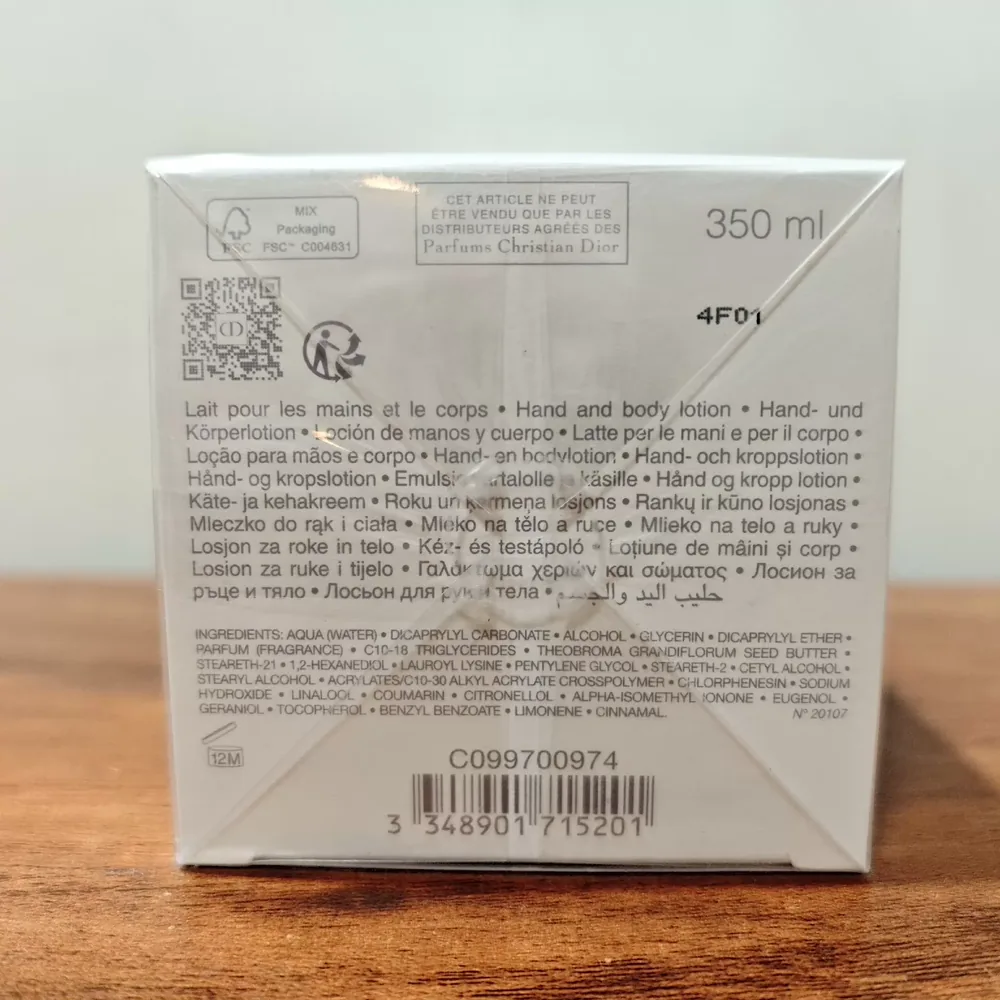
Every photograph above is of a bottle we have actually handled. Nothing here is a supplier or brand image.
Written by Perfume Codex Editorial. Compiled from manufacturer documentation, publicly published batch-code references, and our own recorded transaction data (26,000+ fragrance listings, 4,600+ recorded sales) in Hong Kong. Reformulation and discontinuation claims are cited to sources.