Buying
How to Spot a Counterfeit Perfume: A Practical Checklist
2026-09-23 · 6 min read
How to Spot a Counterfeit Perfume: A Practical Checklist
Counterfeit fragrance is a persistent problem for buyers of popular releases. Copies circulate mostly of widely distributed, high-demand scents, and the gap between an authentic bottle and a copy is usually a set of small verifiable details rather than one obvious flaw.
This checklist is ordered by how much each check actually proves. Work from the top down: the later items carry more weight than the earlier ones.
1. Start with the batch code, then lower your expectations
Every cosmetic product placed on the EU market must carry a batch number for traceability (Regulation (EC) No 1223/2009, Article 19). The code normally appears on the bottle base, on the outer box, and sometimes on the crimp collar. The first check is mechanical: the code on the bottle must match the code on the box.
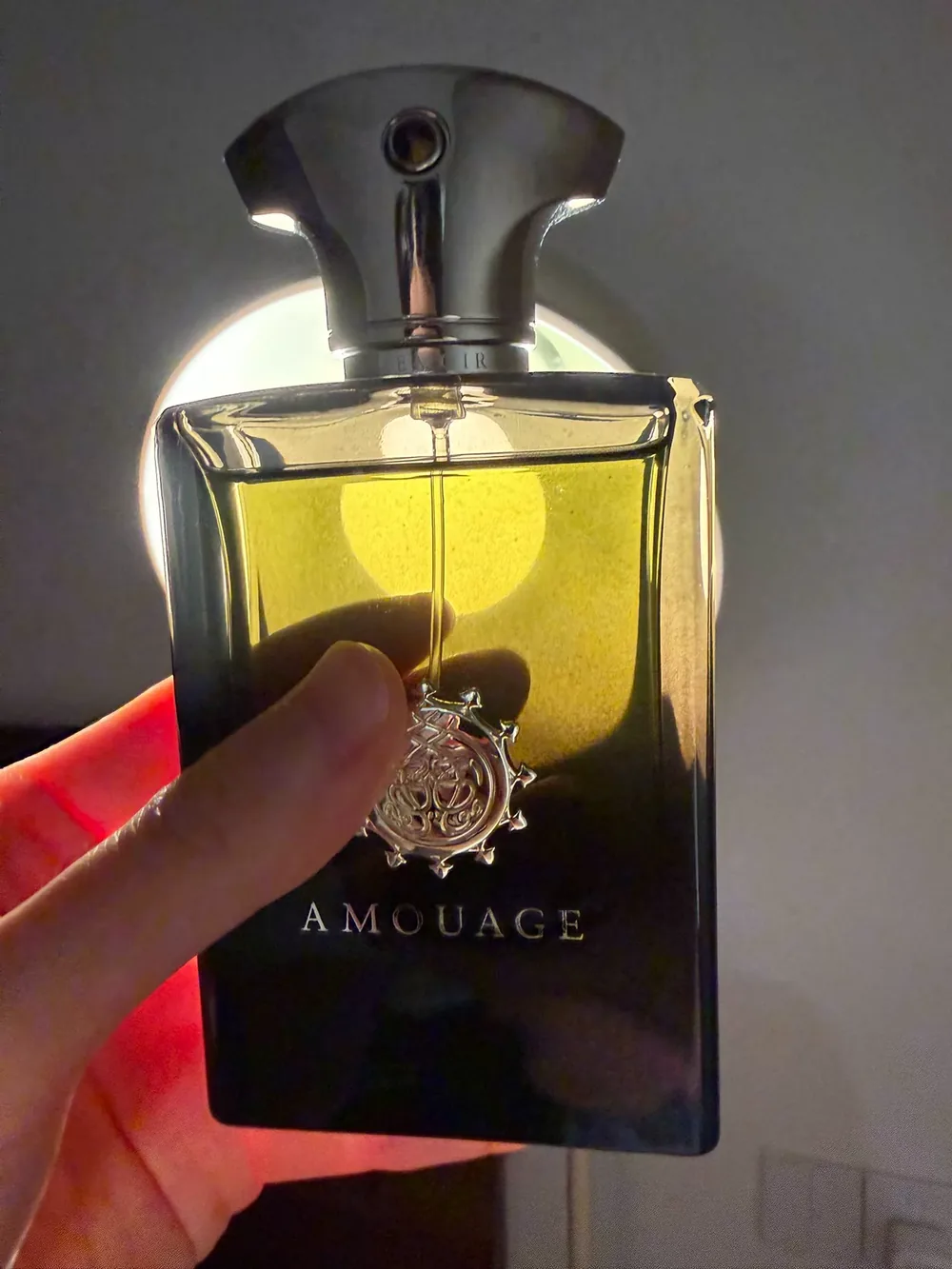
A mismatch is meaningful. Bottle and carton are produced and filled as a unit, so a box carrying a different code from the bottle generally means the two did not leave the factory together.
What a batch code cannot do is prove authenticity. Decoders work because the formats are public, and a counterfeit can be stamped with a plausible code. The batch-code guide at Scento states the position plainly: a valid code is weak evidence on its own, and authenticity is established by the whole object rather than one stamp.
2. Carton print and construction
Hold the box under a raking light, not under direct sun.
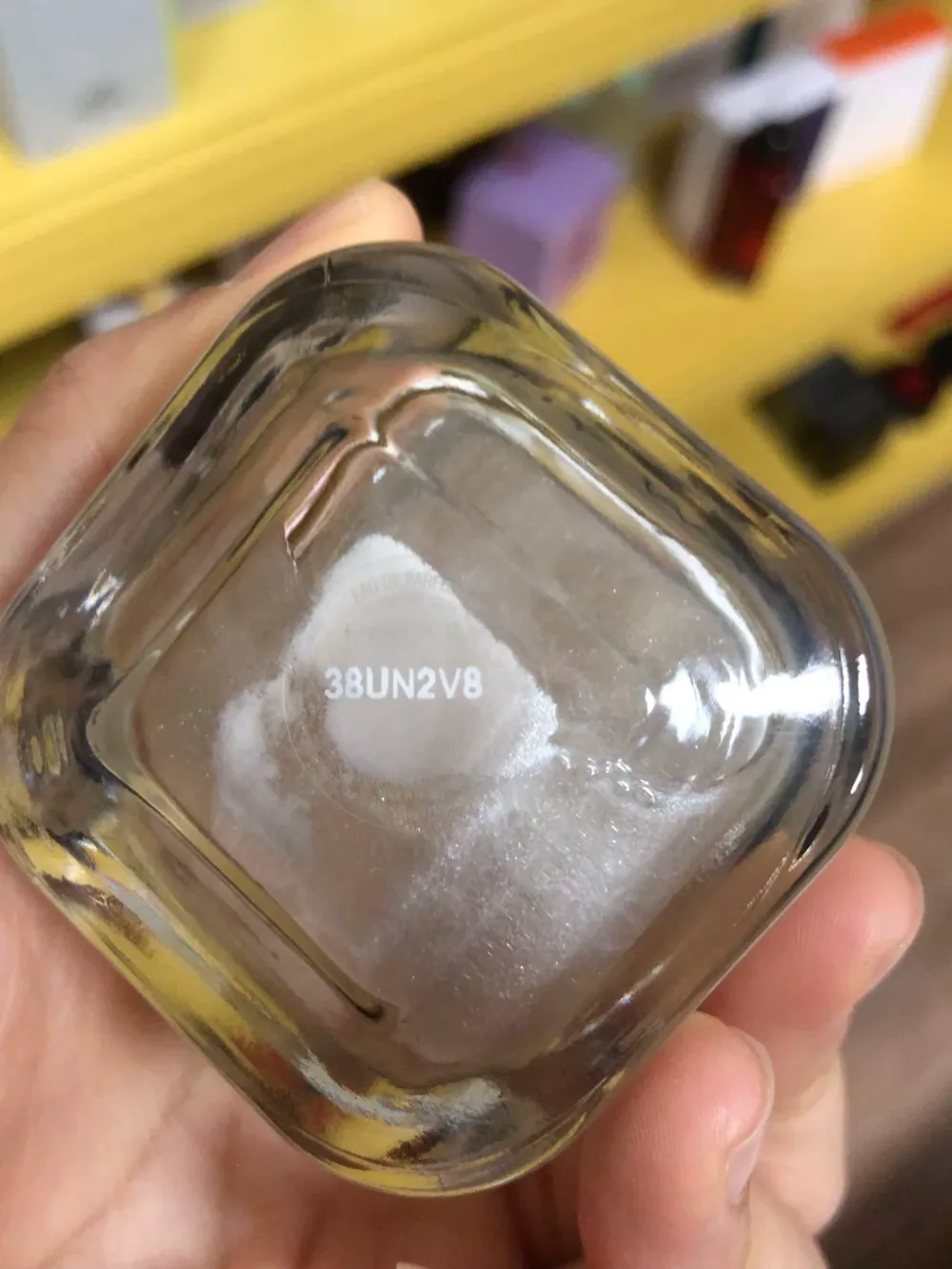
- Registration: on an authentic carton, the colour plates line up. Look at thin borders, small type and the trademark symbol; blurring or a colour fringe on a fine line is common on copies.
- Stock and rigidity: compare against a bottle you know. Counterfeit cartons are frequently thinner or use a different board weight.
- Ink behaviour under a thumbnail: genuine metallic or spot-colour inks generally resist light scratching. Cheap foil transfers.
- Barcodes and regulatory text: the EAN should scan and the digits should match the printed number underneath. Check that the allergen declaration and the responsible-person address are present and plausible for the market the bottle claims to be from.
- Batch code format: printed, stamped or dot-matrix are all normal. Handwritten or obviously overprinted codes are not.
3. Bottle glass, seams and finish
- Seams: on most moulded bottles the side seams are invisible or faint and symmetrical. Heavy, offset or twin parallel seams suggest a cheaper mould.
- Base engraving: etched batch codes, mould numbers and volume markings should be crisp. On copies they are often shallow, uneven or missing entirely.
- Glass clarity and weight: a genuine bottle has consistent wall thickness. Check for bubbles near the shoulder and for a base that flexes when pressed.
- Atomiser and collar: the crimp should be even all the way round with no burrs, and the collar should sit flush to the neck. A loose or rough collar is a frequent tell.
- Dip tube: on a genuine spray it is thin, straight and reaches the bottom corner of the bottle. Short, kinked or unusually thick tubing appears on copies.
- Cap: caps are heavy on most designer and niche releases. Check for a magnet where the brand uses one, engraving depth, and whether the cap seats with a firm, even click.
4. Label, sticker and fill level
Compare the label wordmark against the brand's own product page or a reputable retail listing. Letter-spacing, the exact placement of the volume and the accent marks in French and Italian product names are where copies diverge most often.
A base sticker on a modern designer bottle is normal. A sticker that is skewed, bubbling, re-laminated, or carries a code that does not match the etched code is not.
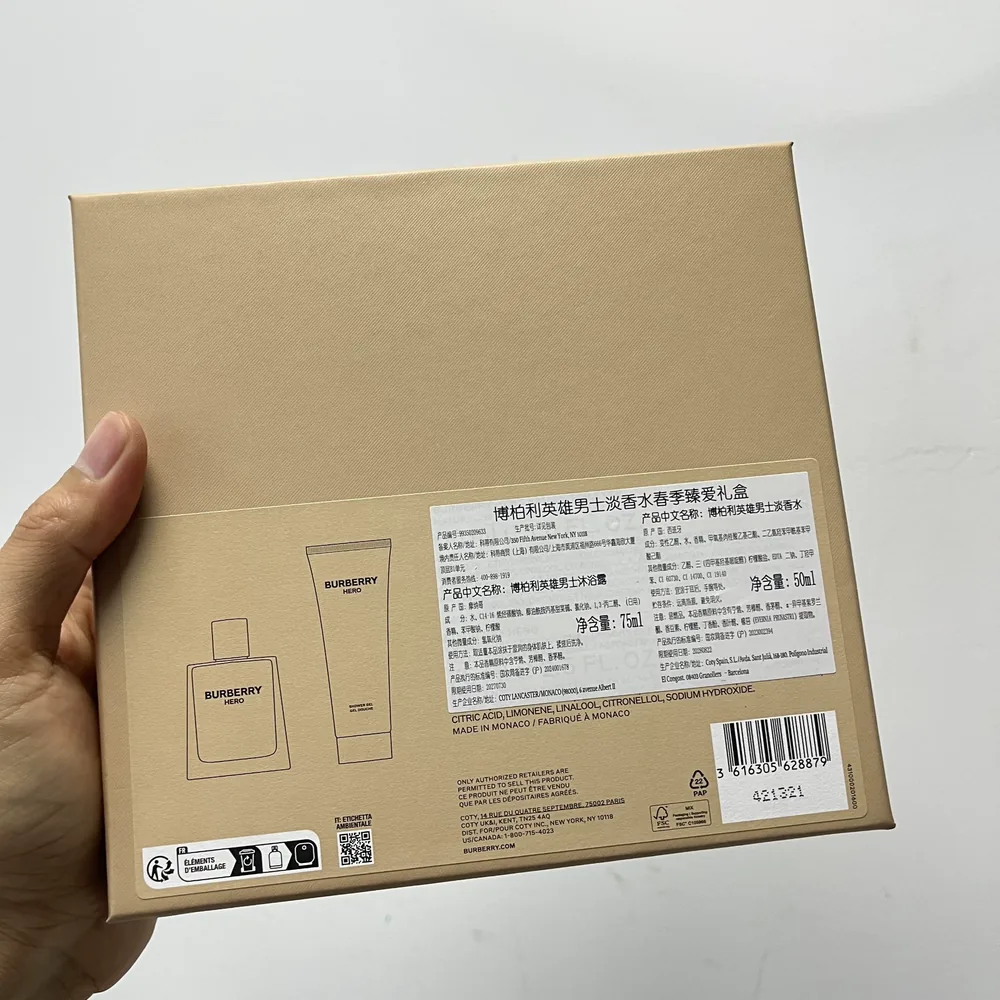
Fill level should be consistent with the claimed condition. A bottle sold as new but three-quarters full, with visible evaporation lines inside the shoulder, deserves an explanation.
5. Scent and performance
Olfactory checks are real but the weakest evidence, and they are the ones amateurs over-trust.
- An immediate, sharp alcoholic blast that fades within minutes is not automatically counterfeit; it can also indicate a young bottle or heat exposure during shipping.
- Note order is a better test than raw strength. If the opening and drydown do not follow the structure described for the release, that is worth investigating.
- Longevity is affected by the buyer's skin, climate and application volume, so a single short test is not conclusive on its own.
- A copy of a modern designer scent may smell broadly similar. A copy of a niche scent with unusual materials is more likely to smell obviously different. Neither result is proof.
The only reliable scent test is a side-by-side comparison with a bottle of known provenance.
6. Provenance, price and terms
- Seller history: repeat sellers with dated photographs, matched batch codes and a documented history in collector communities carry less risk than anonymous one-item accounts.
- Price: a genuine bottle offered at a small fraction of the prevailing market price is a claim to justify, not a bargain to accept. Check what the release actually trades for using a dataset with a stated sample size rather than an asking price from a single listing.
- Photographs: ask for front, base with the batch code in focus, cap, atomiser and box, plus a dated handwritten note. Sellers who refuse basic documentation are telling you something.
- Terms: buy where you have a return route. Off-platform payment removes your recourse.
- Parallel imports: a bottle sourced from a different market is not counterfeit. Authentic stock bought through a distributor other than the local one is common, and the packaging may differ in language while the bottle does not.
What to do if you suspect a copy
Photograph everything before you open or spray anything further, keep the original packaging and the listing page, and open a dispute in writing with the seller. Provide the specific mismatch — a batch code that does not correspond, a rotated label, a missing engraving — rather than a general claim that the bottle feels wrong.
Sources
- Regulation (EC) No 1223/2009 on cosmetic products (batch number requirement, Article 19): https://eur-lex.europa.eu/eli/reg/2009/1223/oj
- Scento, Perfume Batch Code Checker — notes that a batch code cannot prove a bottle is genuine: https://www.scento.com/perfume-batch-code
- Batch-Code.com — batch code locations and the bottle/box code match check: https://www.batch-code.com/
- CheckFresh — brand-by-brand instructions for locating batch codes: https://www.checkfresh.com/
Related reading
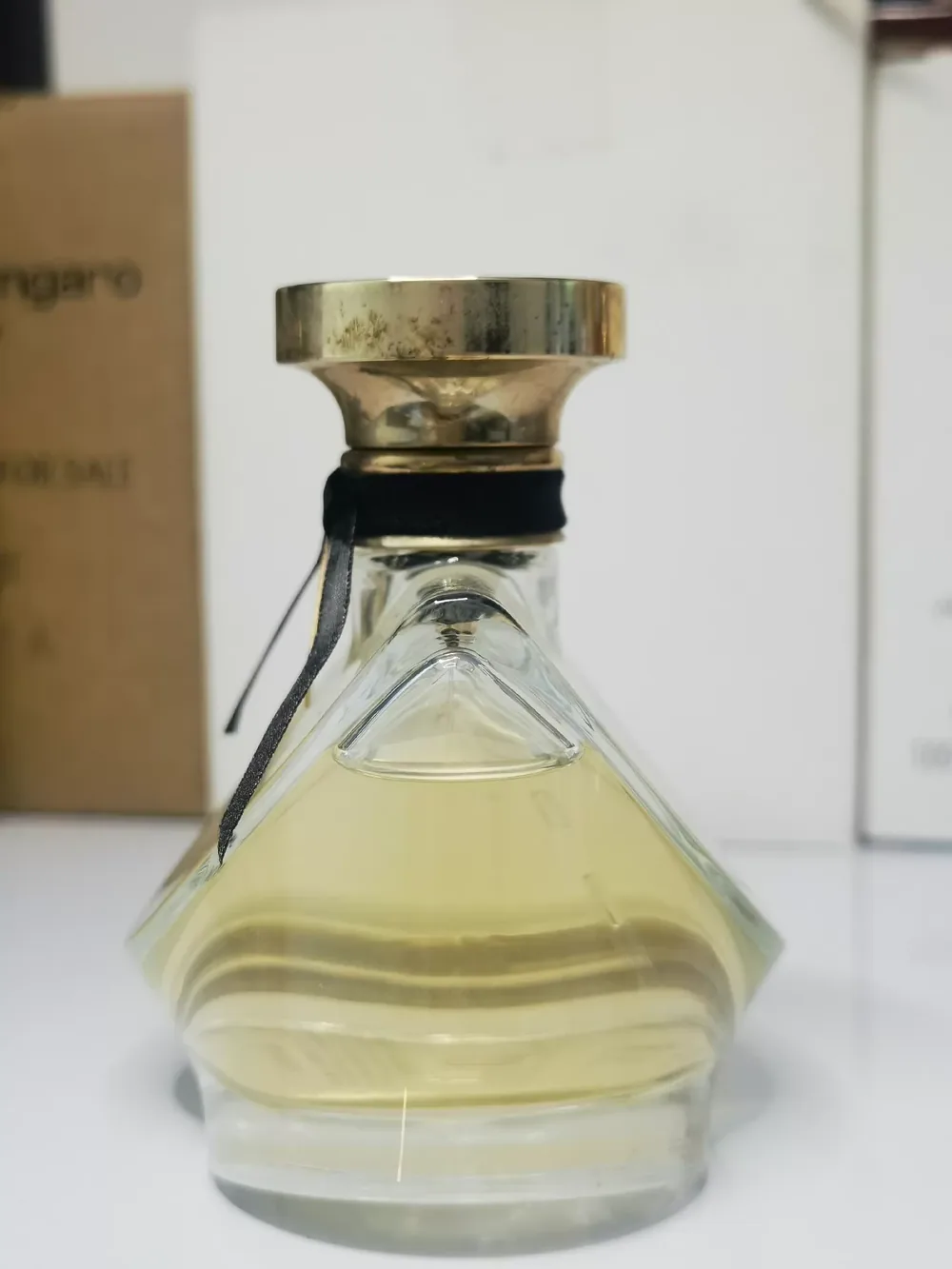
Every photograph above is of a bottle we have actually handled. Nothing here is a supplier or brand image.
Written by Perfume Codex Editorial. Compiled from manufacturer documentation, publicly published batch-code references, and our own recorded transaction data (26,000+ fragrance listings, 4,600+ recorded sales) in Hong Kong. Reformulation and discontinuation claims are cited to sources.