Guide
Concentrations Explained: EDT vs EDP vs Parfum vs Extrait
2026-09-23 · 6 min read
Concentrations Explained: EDT vs EDP vs Parfum vs Extrait
Walk into a shop and the same fragrance may be offered as an eau de toilette, an eau de parfum, a parfum and sometimes a cologne. The names suggest a hierarchy. The reality is looser than the naming implies.
The basic idea
A fragrance is a solution of aromatic materials in a solvent, usually ethanol with a small proportion of water. "Concentration" refers to the proportion of the fragrance compound — the aromatic part — in the finished product. Higher concentration generally means a stronger, denser or slower-evolving scent, and it generally costs more per millilitre.
The conventional ranges
These figures are industry convention, not law. No single standard fixes the boundaries, brands interpret the labels differently, and a house can call a product whatever it decides to call it. The ranges below are the ones most commonly cited:
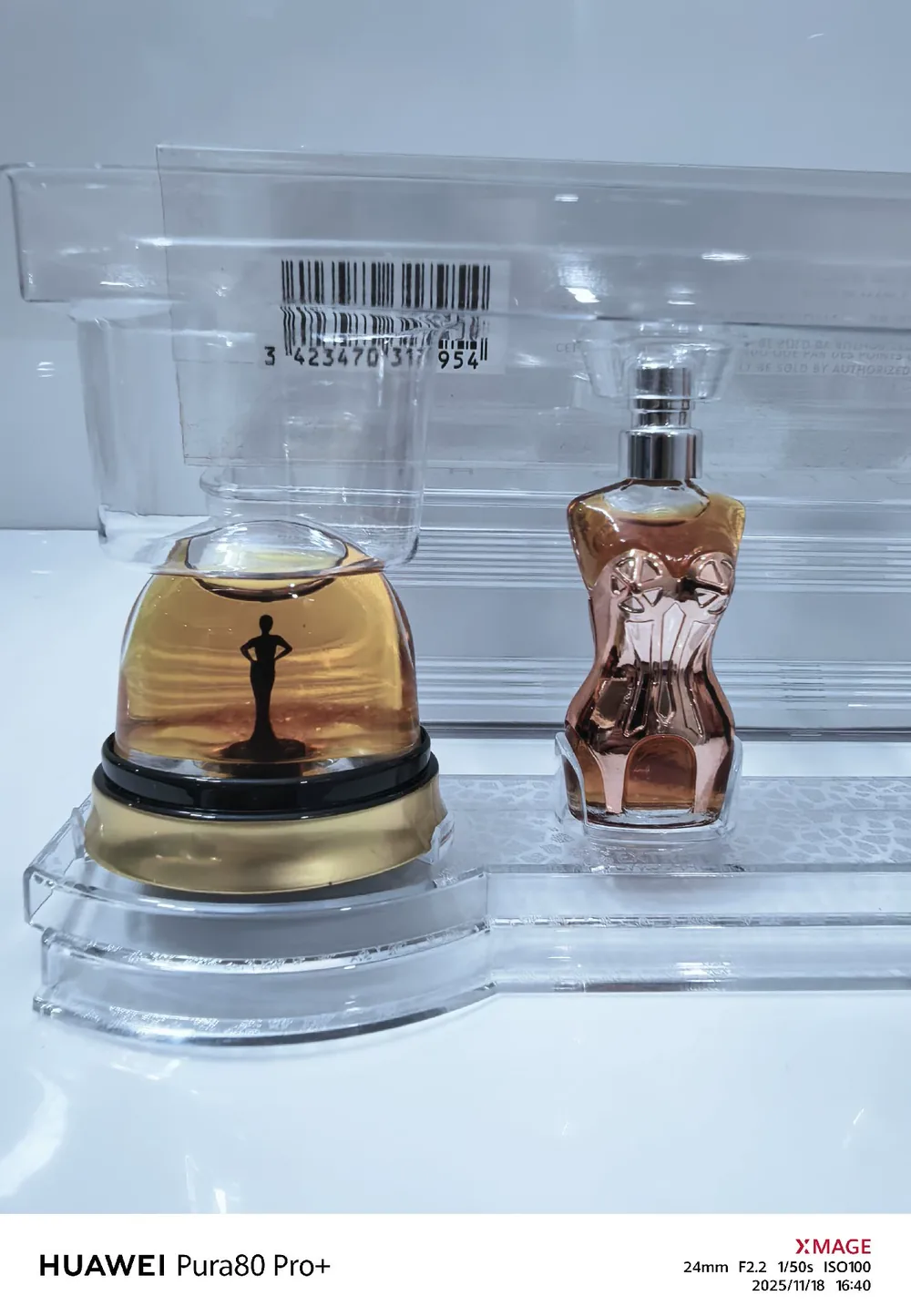
- Eau de Cologne (EdC): around 3 to 5 per cent aromatic compound. Light, citrus-led, short-lived by design.
- Eau de Toilette (EDT): commonly quoted at 5 to 15 per cent. Fresher and brighter than an EDP, with the opening more prominent relative to the base.
- Eau de Parfum (EDP): commonly quoted at 15 to 20 per cent. Fuller, longer, usually built with more base materials.
- Parfum / Extrait de Parfum: commonly quoted at 20 to 30 per cent, occasionally higher. Denser, slower, and often sold in smaller bottles because less is needed per wearing.
- Eau Fraîche / Eau de Toilette Légère: brand-specific terms for lighter compositions, with no standard meaning.
The overlap matters. An EDT at 14 per cent and an EDP at 15 per cent are not meaningfully different in strength; they may differ in structure, in the materials used, or only in the label. Conversely, an EDT can outperform an EDP from another house entirely, because perceived strength depends on which materials are used, not only how much of the compound is present.
What actually determines how a fragrance performs
- Material intensity. Some materials are perceptible at a few parts per million; others require a large dose. A composition heavy in powerful modern woody ambers will project from a modest concentration.
- Fixatives and base load. Base materials — musks, resins, woods, ambroxan-type molecules — anchor a composition and extend its tail. Two compositions at the same total concentration can have very different curves depending on how much of the compound sits in the base.
- Volatility structure. A top-heavy composition reads strong for an hour and then quiet. A base-heavy one reads quiet for an hour and then full. Neither is stronger overall; they are shaped differently.
- Application. Distance from the skin, number of sprays and where they land change the result more than the concentration label does for most wearers.
- Skin, climate and time. Dry skin tends to release fragrance faster than oily skin; high heat increases projection and reduces duration; humidity changes perceived weight.
Why ingredient regulation affects this picture
Fragrance materials are restricted by the IFRA Standards on safety grounds, with compliance required across the industry; the 49th Amendment's full compliance date was 10 May 2022 for all compositions on the market, including existing ones. Some of the materials that historically provided lasting power in the base were among those restricted. The practical effect is that a house may need to rebuild a base with different materials while keeping the concentration figure the same. The percentage on the label therefore tells you less than the naming suggests about how a bottle performs.
Reading a bottle label
- "Eau de Toilette" and "Eau de Parfum" are the two most common declarations on modern retail fragrance.
- "Parfum" on a French-market bottle usually means the highest-concentration version. On older products it can simply mean "fragrance" in a general sense, particularly in the ingredient list, where "Parfum" is the mandated INCI term for the fragrance compound regardless of concentration. Do not read the ingredient-list entry as a concentration statement.
- "Extrait de Parfum" indicates a high-concentration interpretation; the exact figure is not standardised.
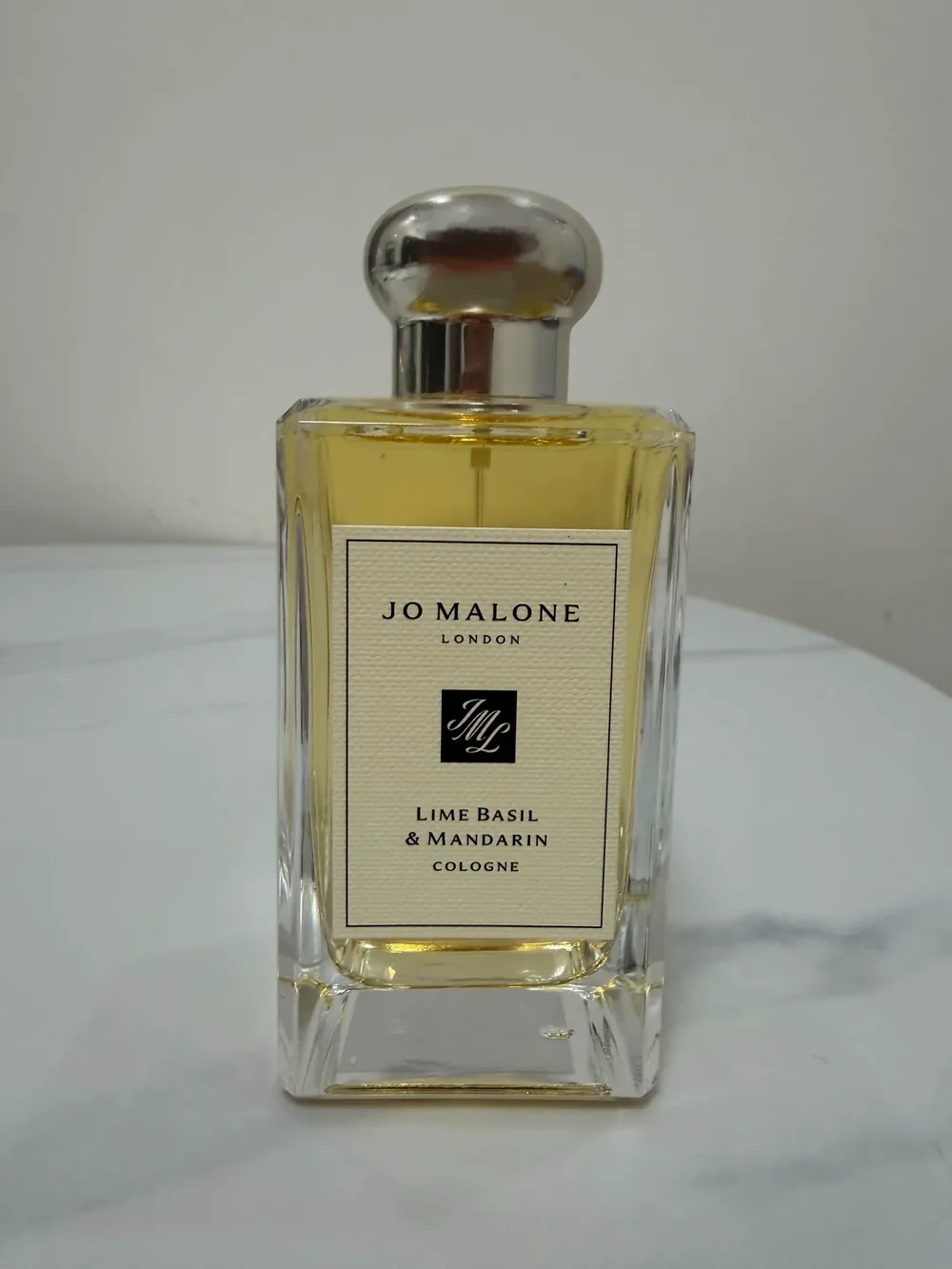
- "Eau de Cologne" is both a concentration name and a style. A modern cologne can be an EDT-strength citrus composition.
- Concentration is often absent entirely from the pack. Where it is not stated, the product name and the brand's own product page are the available evidence.
- On Regulation (EC) No 1223/2009 labelling, the mandatory items include the ingredient list, the nominal content, the batch number, and the period-after-opening or best-before indication. The concentration is not a required declaration.
Flankers, variants and older terminology
A concentration variant and a flanker are different things.
- Concentration variants share a name and a concept while changing strength and often structure: an eau de toilette, an eau de parfum and a parfum of the same release. Bleu de Chanel and Acqua di Gio are both releases with long-running concentration families.
- Flankers are separate releases with their own names and their own compositions, frequently built around one facet of the original.
On vintage bottles, terminology does not map cleanly onto modern usage. Concentration labelling conventions and the materials available were different, and "eau de toilette" in 1970 does not describe the same construction as an eau de toilette in 2026. When buying older stock, describe what the bottle declares rather than translating it into a modern category.
Implications for buying and collecting
- Higher concentration is not automatically better or more valuable. Buyers who prefer the brighter opening of an EDT exist in numbers, and some releases are better known in their EDT form. Preferences within a release are commonly divided.
- Price per millilitre rises with concentration, but not linearly, and packaging size confuses the comparison. Compare per millilitre, and check the size on the bottle.
- Concentration affects how you wear it, not just what you pay. A parfum applied at three sprays usually needs one, and the wear pattern is different.
- For comparison, control the variable. When comparing two bottles, use the same concentration, the same number of sprays and the same part of the body. Comparing an EDT at eight sprays with a parfum at two is a test of your spraying habit rather than of the fragrance.
- Check which one a listing is selling. A search result titled only with the fragrance name frequently refers to the EDT while the photograph shows an EDP box, or the reverse.
Sources
- Regulation (EC) No 1223/2009 on cosmetic products — mandatory labelling (ingredient list, nominal content, batch number, PAO/best-before): https://eur-lex.europa.eu/eli/reg/2009/1223/oj
- IFRA Standards — ingredient restrictions applying across fragrance compositions: https://ifrafragrance.org/standards/IFRA-Standards
- CosmeticsOBS, "Reminder: Full implementation of IFRA 49" (compliance date 10 May 2022 for existing compositions): https://cosmeticobs.com/en/articles/ifra-65/reminder-full-implementation-of-ifra-49-6519
- SGS, IFRA 49th Amendment extended implementation timeline: https://www.sgs.com/en/news/2021/02/safeguards-01321-ifra-49th-amendment-extended-implementation-timeline
Related reading
- Reformulation: why your favourite scent changed
- Storing your fragrance collection properly
- Chanel Bleu de Chanel and Armani Acqua di Gio, both long-running concentration families
Written by Perfume Codex Editorial. Compiled from manufacturer documentation, publicly published batch-code references, and our own recorded transaction data (26,000+ fragrance listings, 4,600+ recorded sales) in Hong Kong. Reformulation and discontinuation claims are cited to sources.