Tuscany vs Code
A side-by-side read of the two reference entries: house, year, market position, accords and note pyramids — then how much material they actually share.
3Shared notes
6Shared accords
24Overlap score
Side by side
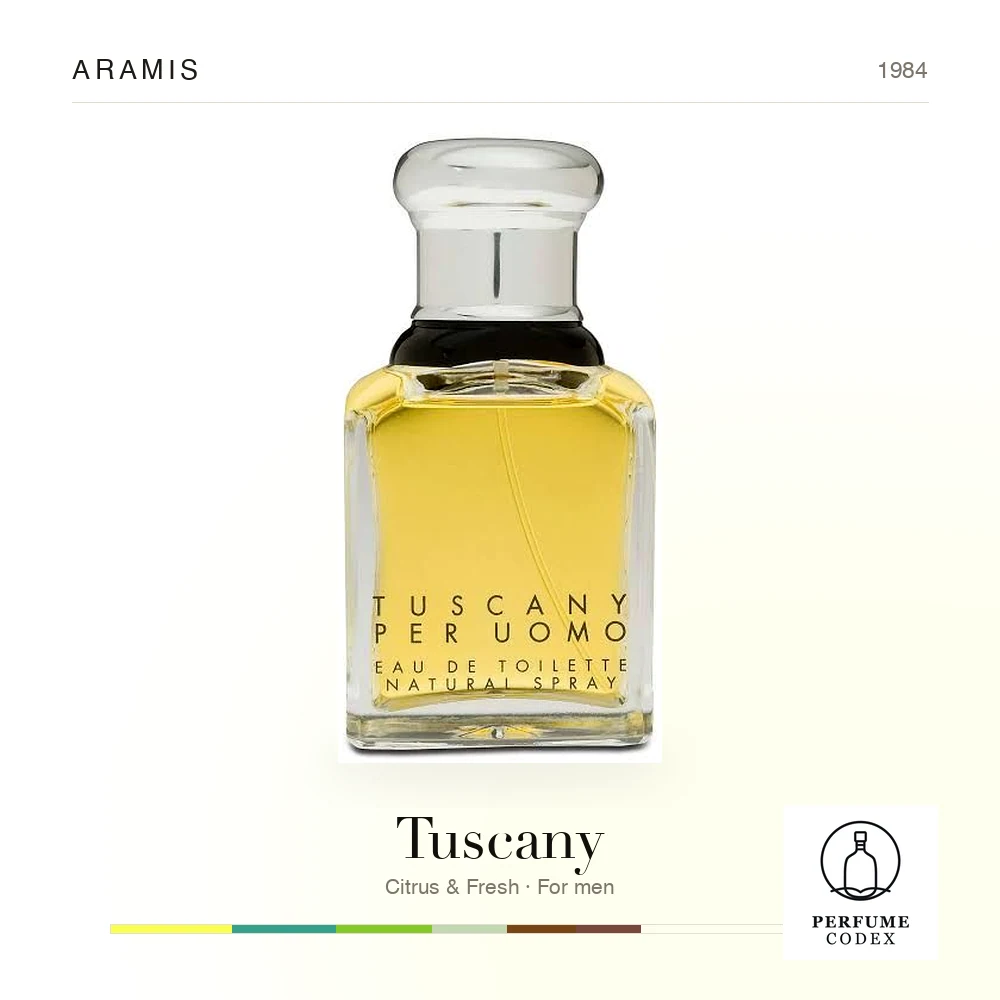
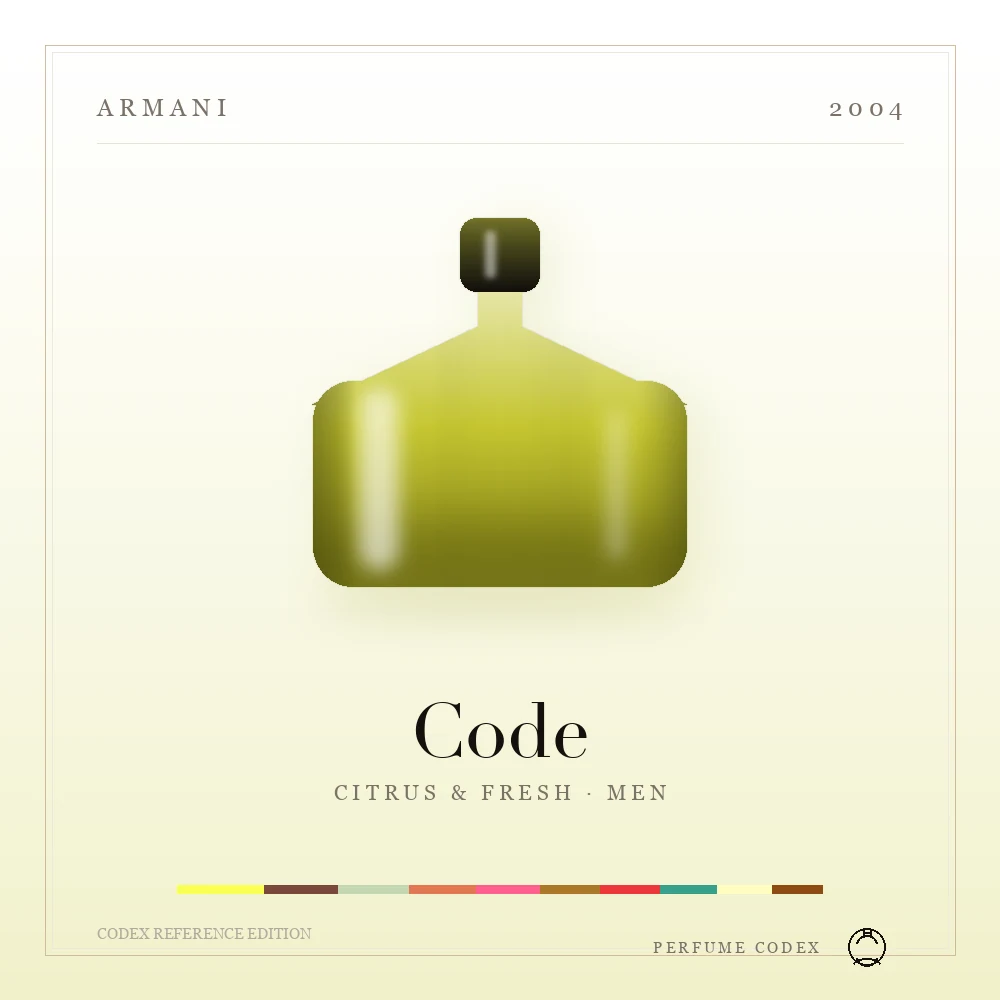
| Tuscany | Code | |
|---|---|---|
| House | Aramis | Armani |
| Launched | 1984 | 2004 |
| Marketed as | men | men |
| Concentration | — | — |
| Dominant family | Citrus & Fresh | Citrus & Fresh |
| Community rating | 4.33/5 (1,360) | 4.17/5 (11,760) |
| Top accords | citrus aromatic fresh spicy anis | citrus leather anis soft spicy |
| Top notes | Lemon Lavender | Lemon Bergamot |
| Heart notes | Anise Caraway Tarragon Orange Blossom | Star Anise Olive Blossom Guaiac Wood |
| Base notes | Leather Oakmoss Basil Sandalwood Patchouli | Leather Tonka Bean Tobacco |
| Recorded notes | 13 | 8 |
The two share 3 recorded notes (Leather, Lemon, Tonka Bean) and 6 accords (anis, aromatic, citrus, leather, soft spicy, sweet). Material overlap score: 24 points.
Where they differ
Tuscany adds Anise Basil Caraway Cinnamon Lavender Oakmoss. Code adds Bergamot Guaiac Wood Olive Blossom Star Anise Tobacco.
Both entries
See also: perfumes similar to Tuscany · perfumes similar to Code.